





Significance
Ivorian immigration to the United States has generally reflected French colonial connections, economic difficulties, political instability, armed conflict, education, professional opportunities, asylum, family reunification, and the search for improved employment.
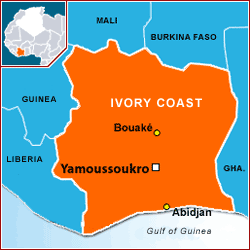
Migration from Côte d’Ivoire—also known as the Ivory Coast—historically occurred mainly within West Africa and toward France rather than the United States. For much of the twentieth century, Côte d’Ivoire was primarily a destination for workers from neighbouring countries because its coffee, cocoa, forestry, and commercial industries offered regional employment. Ivorian emigration remained comparatively limited until economic decline and political crises increased outward movement during the 1980s, 1990s, and early twenty-first century. Students, diplomats, academics, healthcare workers, businesspeople, skilled professionals, asylum seekers, and families gradually settled in France, Italy, Canada, the United States, and other countries. Ivorian communities abroad maintained connections through remittances, cultural associations, religious institutions, and family networks.
Ivorian Migration Before Independence
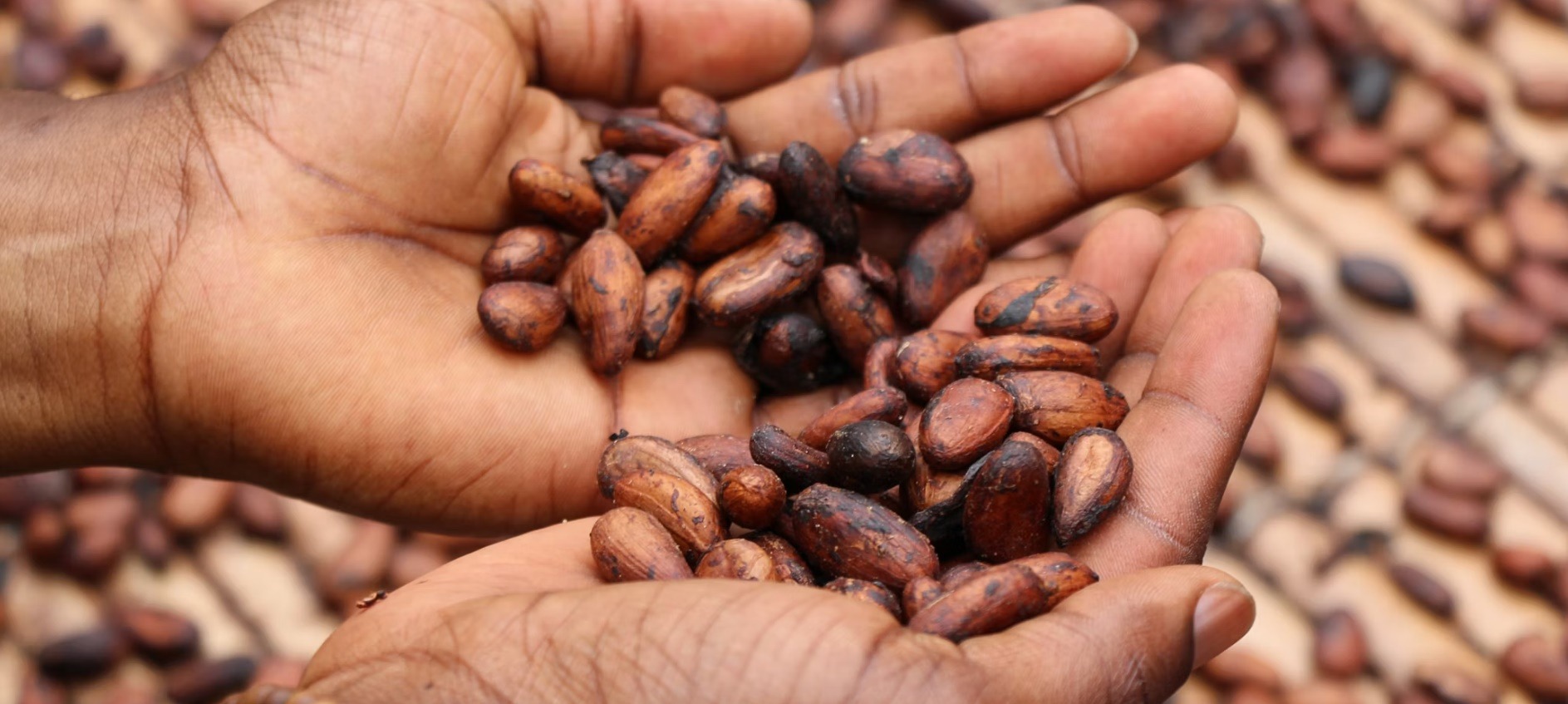
Before independence, migration was shaped by French colonial administration, plantation agriculture, forced labour, military recruitment, regional trade, and movement throughout French West Africa. Workers from neighbouring territories travelled to Côte d’Ivoire for employment on coffee and cocoa plantations, in forests, ports, construction, and domestic service, making the territory an important regional destination. Ivorians also moved across colonial borders as farmers, traders, soldiers, students, religious workers, and government employees. Direct migration to the United States remained uncommon because most political, educational, and commercial relationships operated through France and nearby African territories. Côte d’Ivoire achieved independence from France on August 7, 1960, and the United States recognised the new republic and established diplomatic relations on the same day.
Late-Twentieth- and Early-Twenty-First-Century Immigration
Ivorian emigration increased after a prolonged economic crisis began during the 1980s and was later intensified by the 1999 military coup, the political and military crisis that began in 2002, and the post-election violence of 2010–2011. Migrants travelled mainly to neighbouring West African countries and Europe, particularly France, while the United States and Canada became increasingly important destinations. Arrivals in America included students, doctors, nurses, engineers, academics, entrepreneurs, religious workers, asylum seekers, and relatives joining established families. Migration pathways included university study, professional employment, family sponsorship, humanitarian protection, and the Diversity Visa programme. Ivorian immigrants formed churches, mosques, businesses, professional networks, and cultural organisations while preserving French, Indigenous languages, food, music, dance, religious traditions, and close relationships with relatives in Côte d’Ivoire