Sign In






 Facebook
 X-Twitter
 Instagram
 Linkedin
 Youtube
More Information
More Information
TEST12345
Street Soccer in Hong Kong
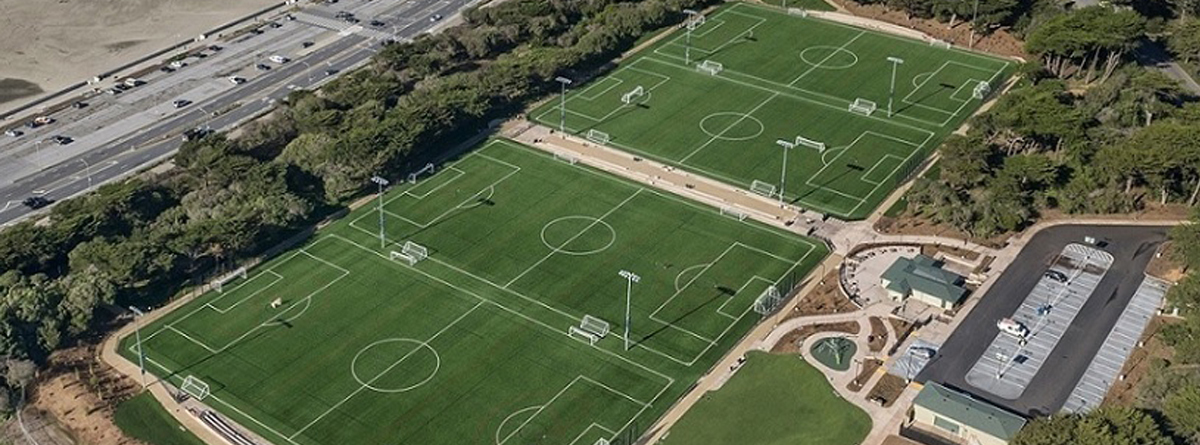
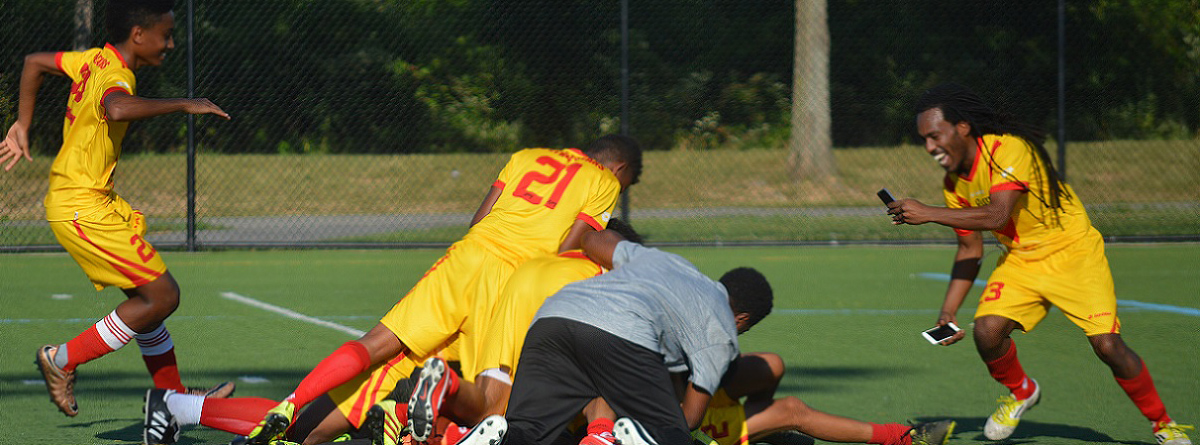
Street soccer is a popular urban sport in Hong Kong, where children and teenagers regularly play informal football matches on public courts, school playgrounds, rooftop pitches, and community sports facilities. These games fit well into the city's fast-paced lifestyle, giving young players an enjoyable way to stay active and improve their football skills.
The compact playing areas encourage quick passing, close ball control, sharp movement, and fast decision-making. With limited space available, players learn to think creatively, react quickly, and work closely with teammates while developing strong technical abilities through regular matches.
Street soccer provides an accessible way for communities across Hong Kong to enjoy football without requiring large stadiums or full-sized pitches. It promotes active living, strengthens social connections, and inspires many young people to continue participating in the sport.
Street Soccer Culture in Hong Kong
Football has a growing and enthusiastic following in Hong Kong, and street soccer is often the first experience many young players have with the game. Friendly matches organised by schools, neighbourhood groups, and local communities create an inclusive environment where players of different abilities can enjoy football together.
Skills Developed Through Street Soccer
Street soccer helps players improve dribbling, first touch, passing accuracy, agility, balance, ball control, and awareness. The fast tempo of the game also develops communication, creativity, confidence, and quick decision-making in tight spaces.
Street Soccer and Community Development
Street soccer brings communities together by encouraging teamwork, healthy recreation, and positive youth engagement through football. It also provides aspiring players with a strong foundation before progressing to school teams, local football clubs, academies, or organised youth competitions.
The HONG K. in the DMV Metro

The Hong Kong diaspora in the DMV (Washington, D.C., Maryland, and Virginia) is a professionally oriented, politically engaged, and increasingly diverse Cantonese-speaking community. It combines long-established Hong Kong-American families with newer arrivals, entrepreneurs, technology professionals, academics, and people who have relocated amid Hong Kong's changing political environment. Washington's role as a policy center makes the region especially important for Hong Kong advocacy, human-rights engagement, and diaspora organizing.
Community Hubs and Institutional Presence
-
Hong Kong Democracy Council (HKDC): Based in Washington, D.C., HKDC provides a major advocacy platform for Hong Kong's pro-democracy and human-rights community. Its activities include policy engagement, public education, diaspora organizing, and advocacy on issues affecting Hong Kong and Hong Kongers in the United States.
-
DC4HK: A grassroots network connecting Hong Kong supporters in the DMV. It organizes rallies, commemorations, public events, and civic-awareness activities and provides a community platform for people engaged in Hong Kong-related issues.
-
Hong Kong Professional Network (HKPN): Provides a professional and social network for Hong Kong professionals and newer arrivals. Mentorship, career development, networking, and integration support are important functions.
-
Hong Kong-focused Academic & Research Networks: Universities and researchers in the DMV provide an additional layer of infrastructure for studying Hong Kong's political, social, economic, and migration developments.
-
Broader Chinese-American Institutions: Because the Hong Kong population is relatively dispersed, residents also interact with wider Chinese-American and Cantonese-speaking organizations, schools, churches, and community associations.
Cultural and Social Dynamics
-
Political & Civic Engagement: Advocacy is unusually prominent in the DMV community because of proximity to Congress, federal agencies, think tanks, and international organizations. Hong Kong-related rallies, public discussions, policy briefings, and human-rights events are important community activities.
-
Cantonese Language & Heritage: Cantonese remains an important marker of community identity, supported through family networks, language schools, cultural events, churches, and youth programs.
-
Rockville & Northern Virginia: Suburban Maryland and Northern Virginia provide important residential and commercial connections, particularly around Chinese and Cantonese-speaking businesses, restaurants, grocery stores, and community institutions.
-
Hong Kong Cuisine: Food is a major cultural connector. Cantonese restaurants, dim sum establishments, bakeries, and Hong Kong-style cafés provide informal gathering places for families and professionals. Traditional foods such as dim sum, roast meats, pineapple buns, egg tarts, and Hong Kong-style milk tea help preserve culinary identity.
-
Intergenerational Community Life: Older immigrant families and newer arrivals interact through schools, restaurants, professional associations, religious institutions, and cultural programs, creating a community that spans multiple migration generations.
-
Professional Networks: Hong Kong professionals are represented across finance, technology, law, academia, healthcare, international business, and policy, with the DMV offering particularly strong opportunities in government and international affairs.
-
Community Structure: The Hong Kong DMV community is best understood as a professionally integrated and politically engaged diaspora, with advocacy groups providing national visibility while Cantonese-language institutions, restaurants, family networks, professional associations, and cultural organizations sustain everyday community life.
Significance
Immigration from Hong Kong has generally reflected British colonial administration, economic opportunity, international trade, higher education, professional employment, political developments, family reunification, and global business mobility.
Migration from Hong Kong has historically been shaped by its role as an international financial and trading center and its unique political status. During the twentieth century, many Hong Kong residents migrated to the United Kingdom, Canada, Australia, and the United States for higher education, business, professional employment, and family reunification. Overseas migration increased during periods of political uncertainty surrounding the 1997 transfer of sovereignty from the United Kingdom to China, and more recently following political and legal changes in Hong Kong. Today, Hong Kong immigrants in the United States include students, entrepreneurs, academics, healthcare professionals, financial specialists, and technology professionals who maintain strong cultural, economic, and family ties with Hong Kong.
Hong Kong Migration Before the 1997 Handover
Following the Treaty of Nanking in 1842, Hong Kong became a British colony and developed into one of Asia's leading commercial and financial centers. Migration during the colonial period was influenced by international trade, manufacturing, shipping, education, government service, and regional political developments. Residents frequently travelled between Hong Kong, mainland China, Southeast Asia, and other British territories as merchants, students, professionals, civil servants, and businesspeople. Direct migration to the United States increased after the Second World War as educational, commercial, and immigration opportunities expanded. On July 1, 1997, sovereignty over Hong Kong was transferred from the United Kingdom to the People's Republic of China under the principle of "one country, two systems."
Late-Twentieth- and Early-Twenty-First-Century Immigration
Migration continued to expand after the 1997 handover as many Hong Kong residents pursued higher education, international careers, business opportunities, and family reunification abroad. Students, physicians, engineers, scientists, academics, entrepreneurs, financial professionals, information technology specialists, and corporate executives increasingly travelled to the United States for university education, specialized employment, research, investment, or family sponsorship. More recently, political developments and changing legal and economic conditions have encouraged additional overseas migration among some residents. In the United States, immigrants from Hong Kong often rely on family networks, community organizations, business associations, alumni groups, and cultural organizations for support with housing, employment, education, and social integration while preserving Cantonese, English, traditional cuisine, cultural festivals, business connections, and close relationships with relatives in Hong Kong