 Sign In






 Facebook
 X-Twitter
 Instagram
 Linkedin
 Youtube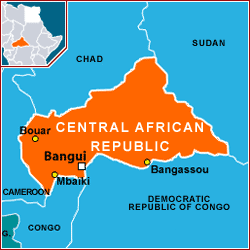
More Information
More Information
Street Soccer in Central African Republic
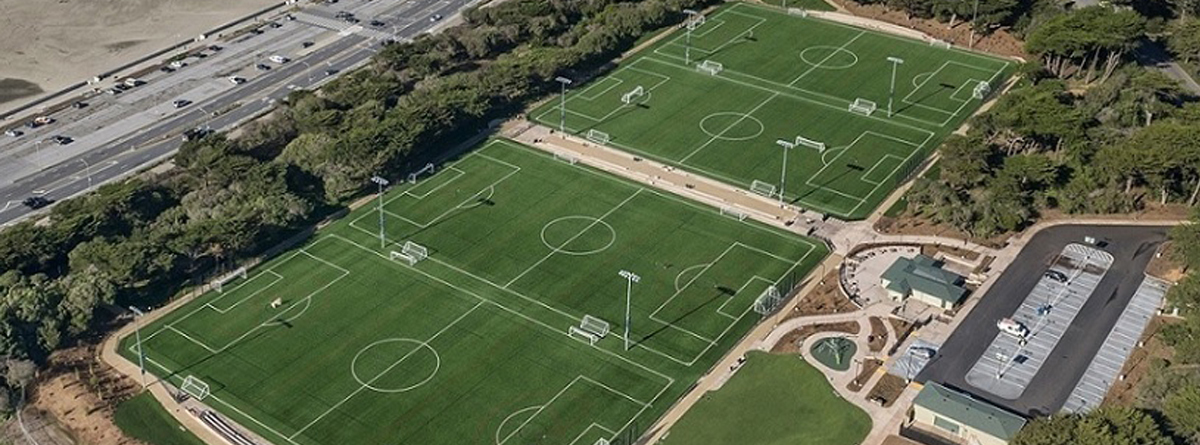
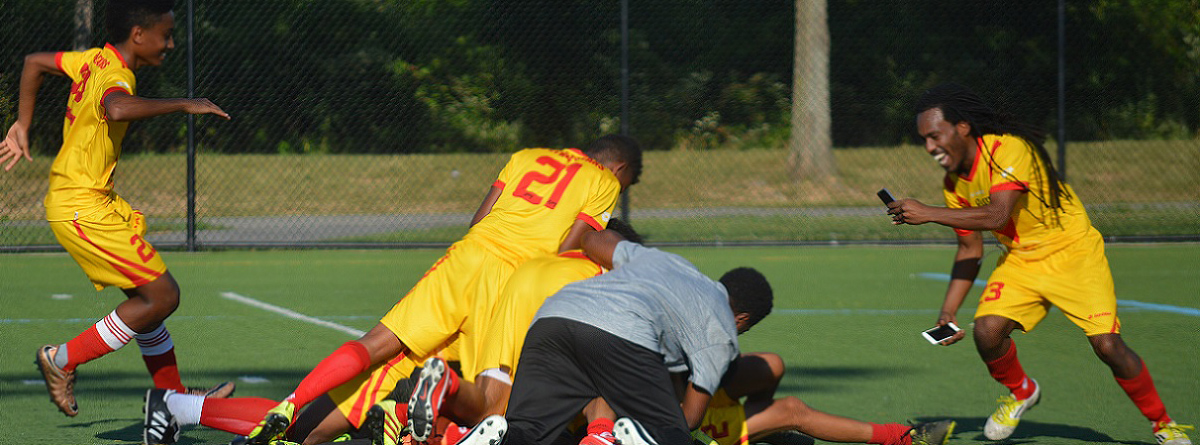
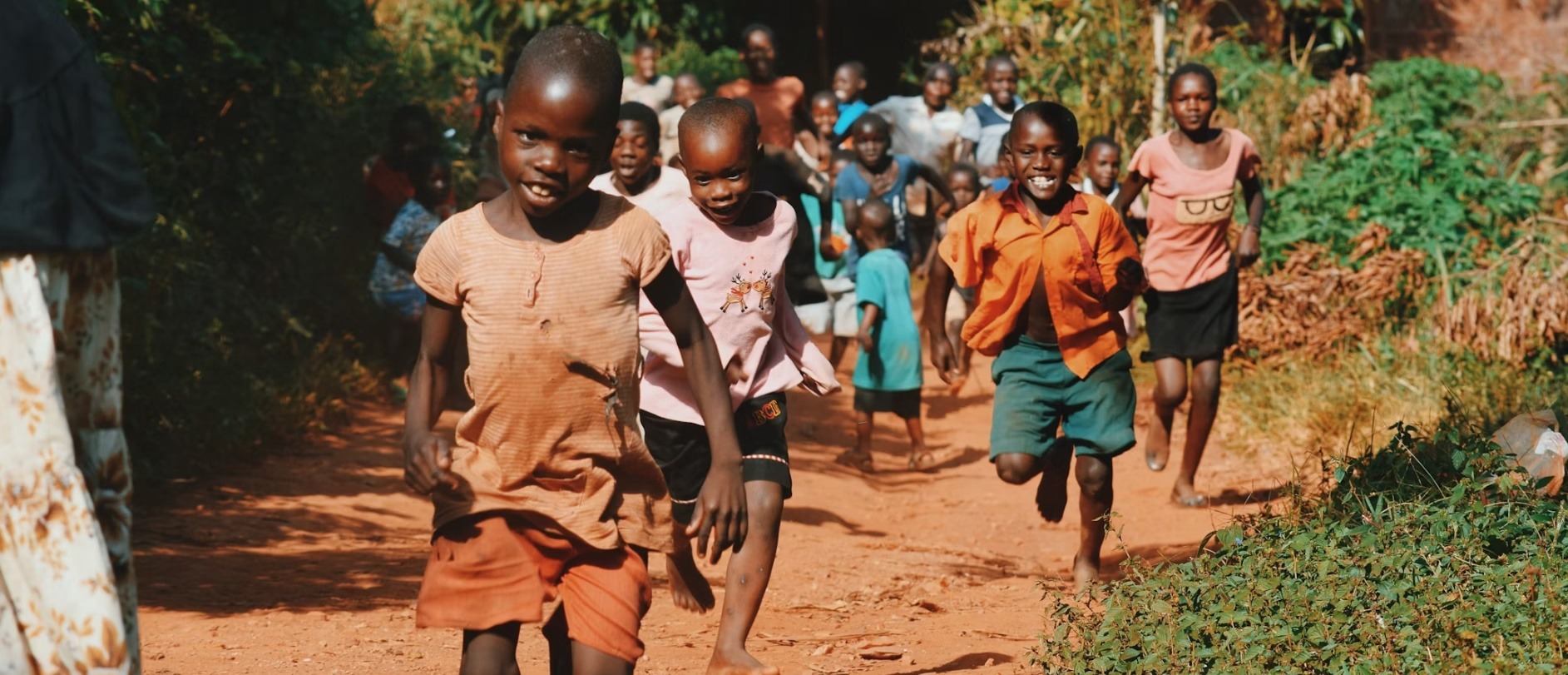
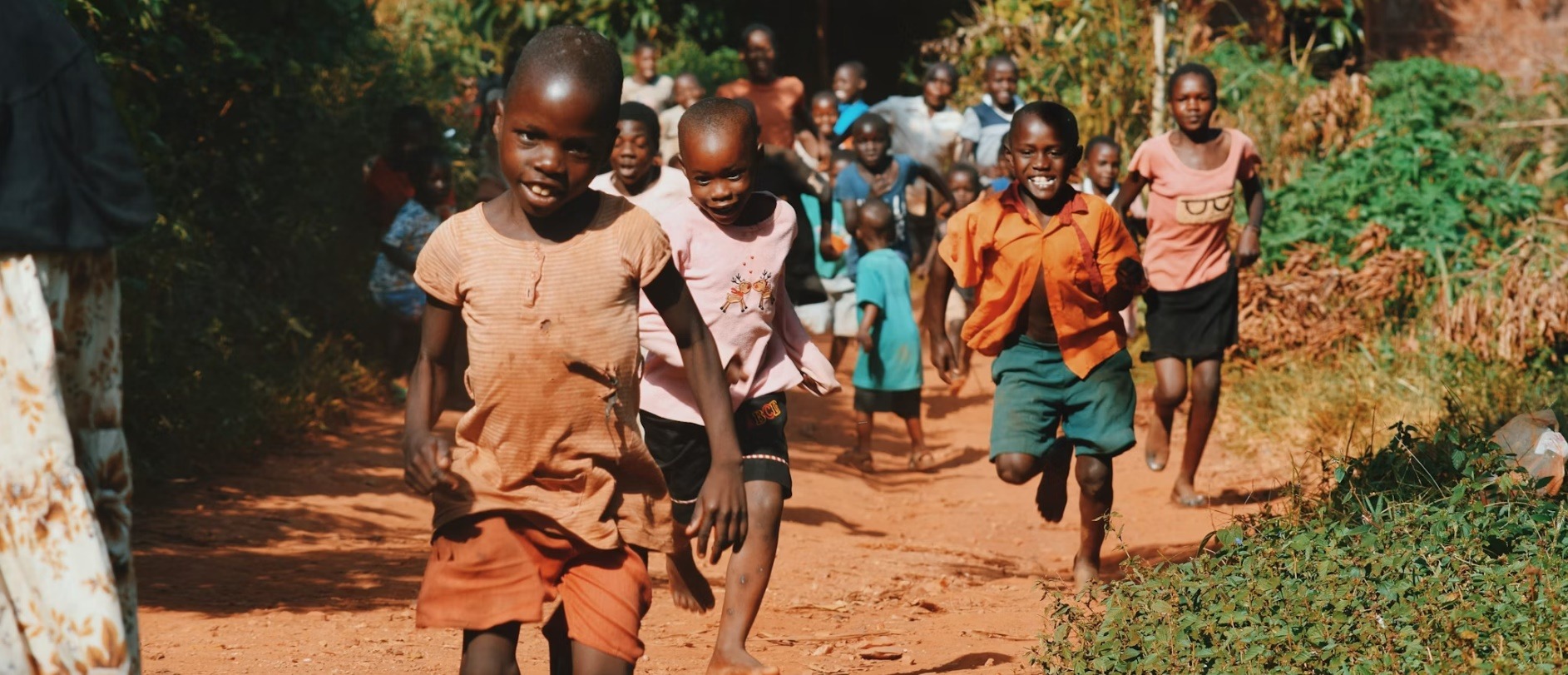
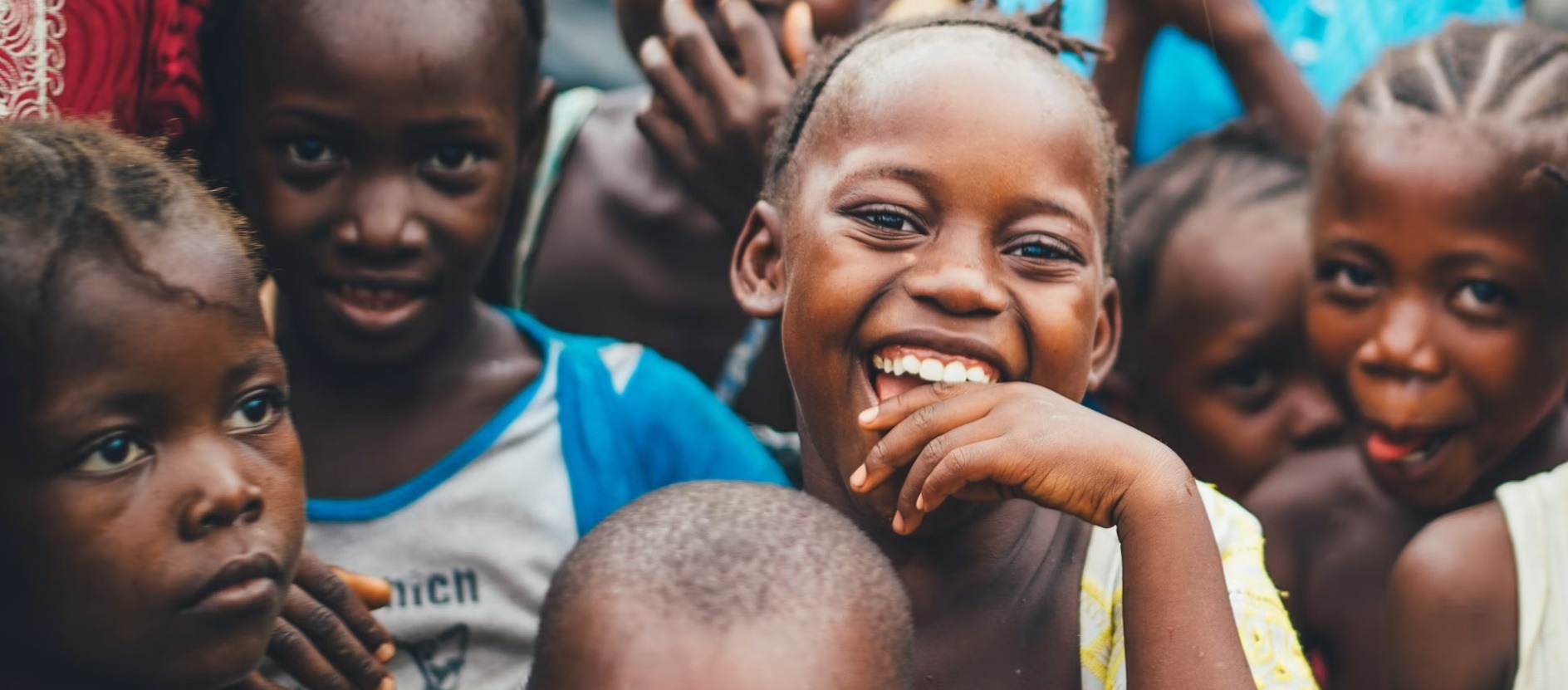
Street soccer is widely enjoyed in the Central African Republic, where children and teenagers regularly play football in neighbourhoods, school grounds, village open spaces, and community fields. These informal matches are a favourite pastime, giving young players an enjoyable way to stay active while learning the game with friends.
Playing on small or improvised pitches helps participants improve close ball control, accurate passing, quick footwork, and teamwork. The fast-paced nature of street soccer encourages creativity, confidence, and the ability to adapt to different playing conditions through regular practice.
Street soccer provides an affordable and accessible way for communities across the Central African Republic to enjoy football without requiring professional facilities. It promotes healthy lifestyles, strengthens friendships, and inspires many young people to develop a lifelong passion for the sport.
Street Soccer Culture in Central African Republic
Football is one of the most popular sports in the Central African Republic, and street soccer is often the first experience many children have with the game. Informal matches organised by neighbours, schools, and local communities create a welcoming atmosphere where players of all ages can participate.
Skills Developed Through Street Soccer
Street soccer helps players improve dribbling, first touch, passing accuracy, agility, balance, ball control, and awareness. Regular play also develops communication, confidence, and quick decision-making in competitive situations.
Street Soccer and Community Development
Street soccer brings communities together through a shared love of football while encouraging active participation and positive social interaction. It also provides aspiring players with a strong foundation before progressing to school teams, local football clubs, or organised youth football programmes.
The Central A.R. in the DMV Metro

- The Embassy of the Central African Republic: Located in Washington's Adams Morgan neighborhood, the Embassy of the Central African Republic acts as the primary focal point for official state services, public outreach, and diplomatic relations.
- SEWA (Service, Empowerment, Welfare & Advancement): This is the premier SEWA Diaspora Organization officially recognized by the CAR Embassy. SEWA provides vital integration support for newly arrived Central Africans, facilitates networking, hosts cultural heritage events, and acts as a solidarity network for the U.S.-based community.
- African Community Center DC-Metro (ACC-DC): Located in Silver Spring and Arlington, the African Community Center DC-Metro assists broader Central African and regional immigrants. They offer wraparound social services, employment pathways, housing aid, and language programs.
- Office on African Affairs (MOAA): Run by the District government, the Office on African Affairs of the District of Columbia ensures language access, capacity building, and multicultural program visibility for all African immigrant networks across the capital.
Significance
Immigration from the Central African Republic has generally reflected French colonial rule, political instability, military coups, economic hardship, armed conflict, forced displacement, education, professional employment, asylum, and family reunification.
Migration from the Central African Republic has historically occurred mainly within Central Africa rather than directly to the United States. Residents commonly moved to Cameroon, Chad, the Democratic Republic of the Congo, the Republic of the Congo, Sudan, and other neighbouring countries for trade, employment, education, family connections, or safety. Overseas migration remained comparatively limited and primarily involved students, diplomats, religious workers, academics, businesspeople, and skilled professionals. Repeated political crises and armed conflicts later forced many Central Africans into refugee settlements across the region. Smaller numbers reached the United States through education, employment, family sponsorship, asylum, and refugee-resettlement pathways, where community and religious organisations helped newcomers adjust and preserve their cultural traditions.
Central African Migration Before Independence
Before independence, the territory was known as Ubangi-Shari and formed part of French Equatorial Africa. Colonial rule shaped migration through forced labour, military recruitment, plantation work, transportation projects, regional commerce, and government service. Residents travelled across borders into Chad, Cameroon, the Congo territories, and Sudan as farmers, traders, labourers, soldiers, students, and members of extended families. Direct migration to the United States remained uncommon because most political, educational, and commercial connections operated through France and neighbouring African territories. Ubangi-Shari became the autonomous Central African Republic within the French Community in 1958 and achieved full independence on August 13, 1960. The United States recognised the new country on the same date and later established diplomatic relations.
Late-Twentieth- and Early-Twenty-First-Century Immigration
Migration increased after independence as coups, political repression, poverty, limited employment, and periodic violence disrupted communities. Students, government officials, healthcare workers, academics, religious figures, and professionals travelled to France, the United States, and other countries for education, specialised employment, or family reunification. A major displacement crisis developed after armed conflict intensified in 2012 and widespread violence erupted in 2013. Large numbers fled to Cameroon, Chad, the Democratic Republic of the Congo, and the Republic of the Congo, while others remained internally displaced. Some refugees were later considered for resettlement in the United States. Central African immigrants and refugees often relied on churches, community associations, humanitarian organisations, and family networks for housing, employment, education, and language assistance while preserving Sango, French, food, music, religious practices, and connections with relatives abroad.




Latest Fixtures & Results
| 04.03.2027 |  |
Central A. R. | - |  |
Hungary |
| 04.10.2027 | |
Central A. R. | - |  |
Armenia |
| 04.17.2027 |  |
Belgium | - | |
Central A. R. |
| 04.24.2027 | |
Central A. R. | - |  |
Congo |
| 05.01.2027 |  |
Liechtenstein | - | |
Central A. R. |
| 05.08.2027 | |
Central A. R. | - |  |
Albania |
| 05.15.2027 |  |
Eritrea | - | |
Central A. R. |
| 05.22.2027 |  |
Bulgaria | - | |
Central A. R. |
| 05.29.2027 | |
Central A. R. | - |  |
Ireland |
