Sign In









 Facebook
 X-Twitter
 Instagram
 Linkedin
 Youtube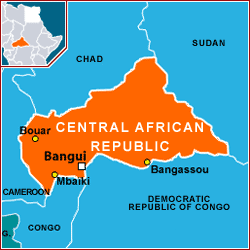

Significance
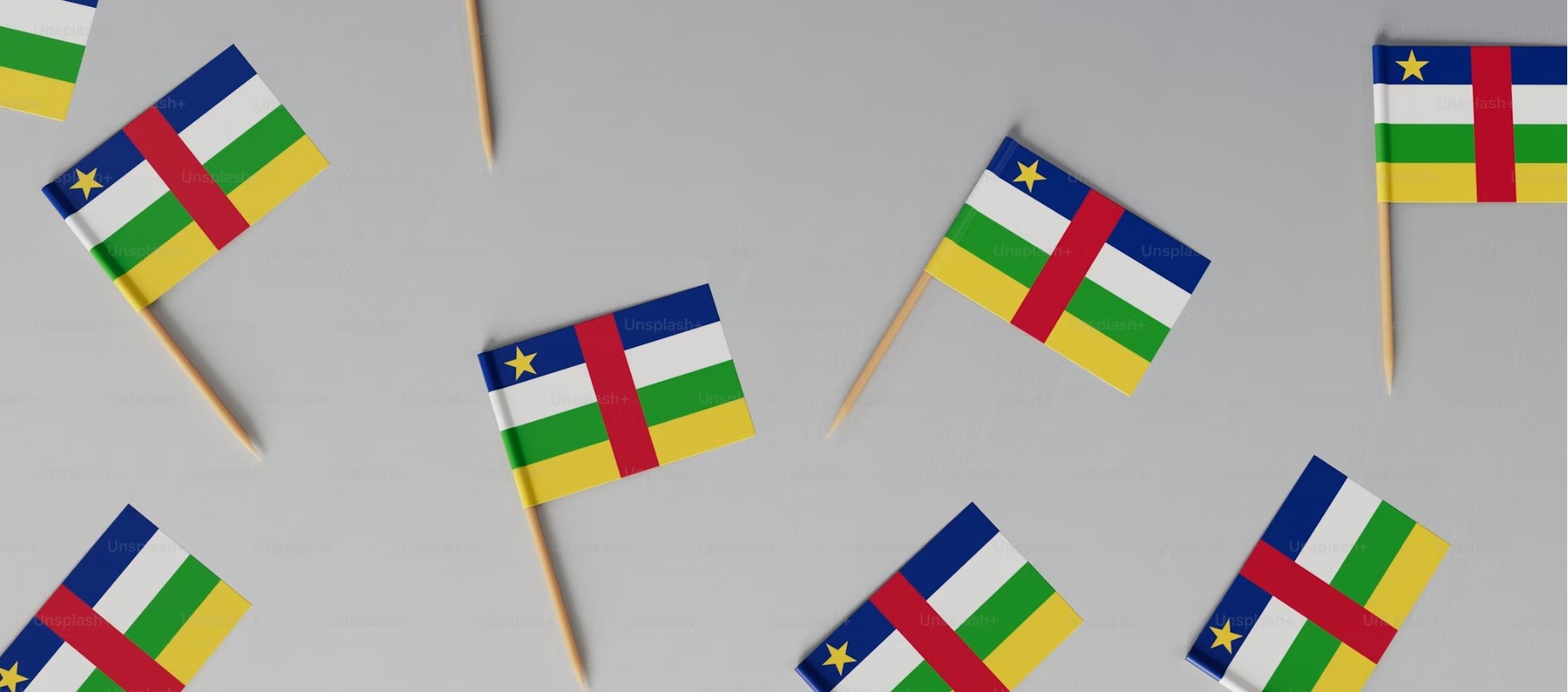
Immigration from the Central African Republic has generally reflected French colonial rule, political instability, military coups, economic hardship, armed conflict, forced displacement, education, professional employment, asylum, and family reunification.
Migration from the Central African Republic has historically occurred mainly within Central Africa rather than directly to the United States. Residents commonly moved to Cameroon, Chad, the Democratic Republic of the Congo, the Republic of the Congo, Sudan, and other neighbouring countries for trade, employment, education, family connections, or safety. Overseas migration remained comparatively limited and primarily involved students, diplomats, religious workers, academics, businesspeople, and skilled professionals. Repeated political crises and armed conflicts later forced many Central Africans into refugee settlements across the region. Smaller numbers reached the United States through education, employment, family sponsorship, asylum, and refugee-resettlement pathways, where community and religious organisations helped newcomers adjust and preserve their cultural traditions.
Central African Migration Before Independence
Before independence, the territory was known as Ubangi-Shari and formed part of French Equatorial Africa. Colonial rule shaped migration through forced labour, military recruitment, plantation work, transportation projects, regional commerce, and government service. Residents travelled across borders into Chad, Cameroon, the Congo territories, and Sudan as farmers, traders, labourers, soldiers, students, and members of extended families. Direct migration to the United States remained uncommon because most political, educational, and commercial connections operated through France and neighbouring African territories. Ubangi-Shari became the autonomous Central African Republic within the French Community in 1958 and achieved full independence on August 13, 1960. The United States recognised the new country on the same date and later established diplomatic relations.
Late-Twentieth- and Early-Twenty-First-Century Immigration
Migration increased after independence as coups, political repression, poverty, limited employment, and periodic violence disrupted communities. Students, government officials, healthcare workers, academics, religious figures, and professionals travelled to France, the United States, and other countries for education, specialised employment, or family reunification. A major displacement crisis developed after armed conflict intensified in 2012 and widespread violence erupted in 2013. Large numbers fled to Cameroon, Chad, the Democratic Republic of the Congo, and the Republic of the Congo, while others remained internally displaced. Some refugees were later considered for resettlement in the United States. Central African immigrants and refugees often relied on churches, community associations, humanitarian organisations, and family networks for housing, employment, education, and language assistance while preserving Sango, French, food, music, religious practices, and connections with relatives abroad.