

Significance
Immigration from the Democratic Republic of the Congo has generally reflected Belgian colonial rule, political instability, dictatorship, armed conflict, ethnic violence, forced displacement, refugee resettlement, education, professional employment, and family reunification.
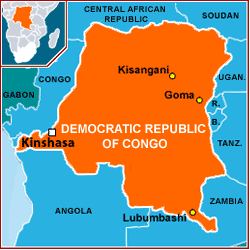
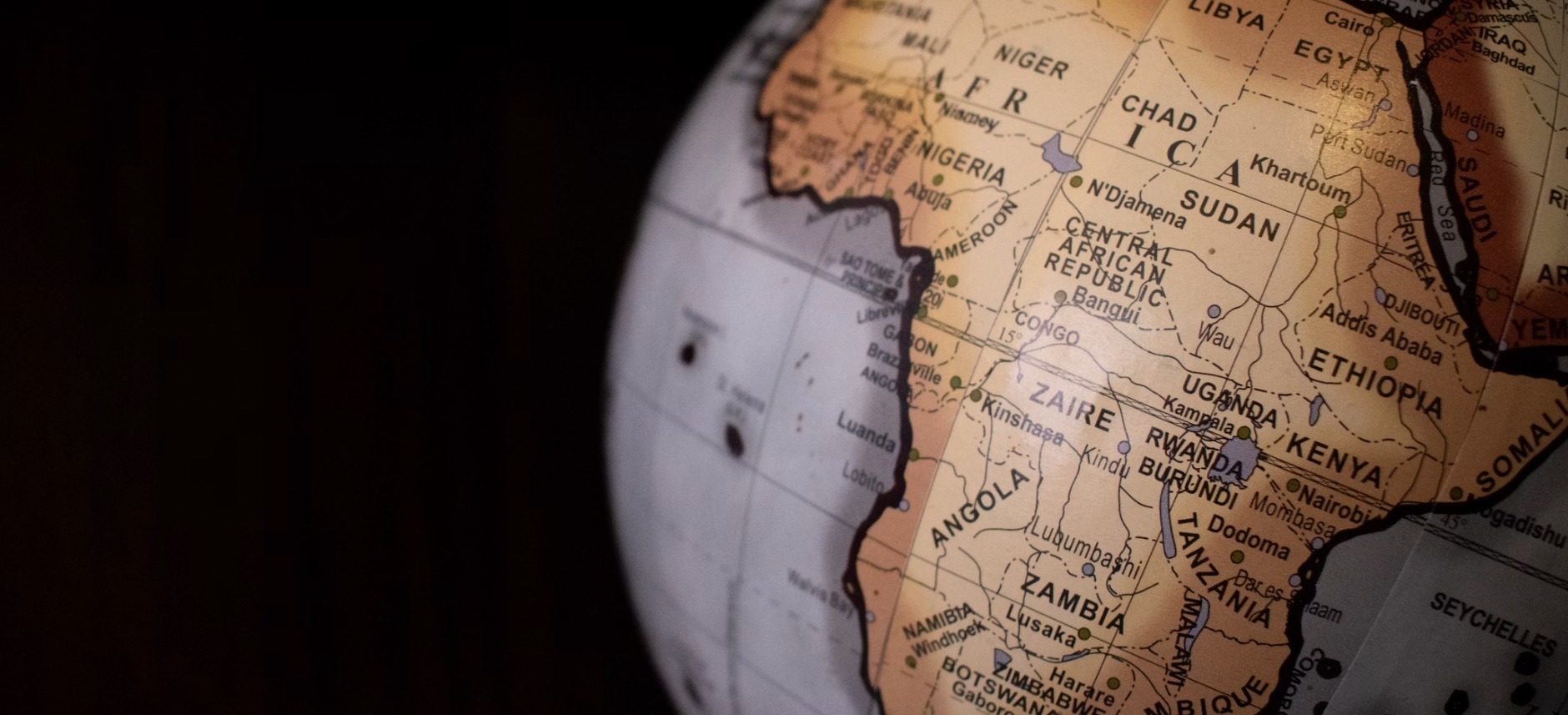
Migration from the Democratic Republic of the Congo—also called Congo-Kinshasa and formerly known as Zaire—has historically occurred mainly within Central and East Africa. Congolese residents moved to Angola, Uganda, Rwanda, Burundi, Tanzania, Zambia, and the Republic of the Congo for trade, employment, education, family connections, or safety. Direct migration to the United States remained limited until the late twentieth century, when political repression, economic decline, regional wars, and humanitarian crises encouraged greater movement abroad. Students, diplomats, academics, professionals, asylum seekers, and refugees later established communities in the United States through education, employment, family sponsorship, the Diversity Visa programme, and humanitarian resettlement.
Congolese Migration Before Independence
Before independence, migration was shaped by the Congo Free State and later Belgian colonial administration. Colonial authorities recruited or compelled residents to work in plantations, mines, transportation projects, military units, and administrative centres. Congolese workers, traders, soldiers, religious figures, and families also travelled across neighbouring Central African territories, while smaller numbers went to Belgium for education, exhibitions, government service, or specialised training. Direct settlement in the United States remained uncommon because most political, commercial, and educational connections operated through Belgium and other European colonial networks. The Belgian Congo became independent as the Republic of the Congo on June 30, 1960, and the United States recognised the new country and established diplomatic relations on the same date.
Late-Twentieth- and Early-Twenty-First-Century Immigration
Congolese migration increased after independence as the Congo Crisis, political repression, economic decline, and the dictatorship of Mobutu Sese Seko disrupted the country. Renamed Zaire in 1971, it became the Democratic Republic of the Congo again in 1997. The First and Second Congo Wars and continuing violence involving armed groups displaced millions of residents, especially in the eastern provinces. Many fled first to neighbouring African countries before some were resettled in the United States, Canada, and Europe. Congolese arrivals included refugees, asylum seekers, students, healthcare workers, academics, religious leaders, businesspeople, and relatives joining established families. Churches, refugee agencies, and community organisations helped newcomers obtain housing, education, healthcare, language assistance, and employment while preserving French, Lingala, Swahili, Kikongo, Tshiluba, music, food, religious traditions, and family connections.