Sign In









 Facebook
 X-Twitter
 Instagram
 Linkedin
 Youtube

Significance
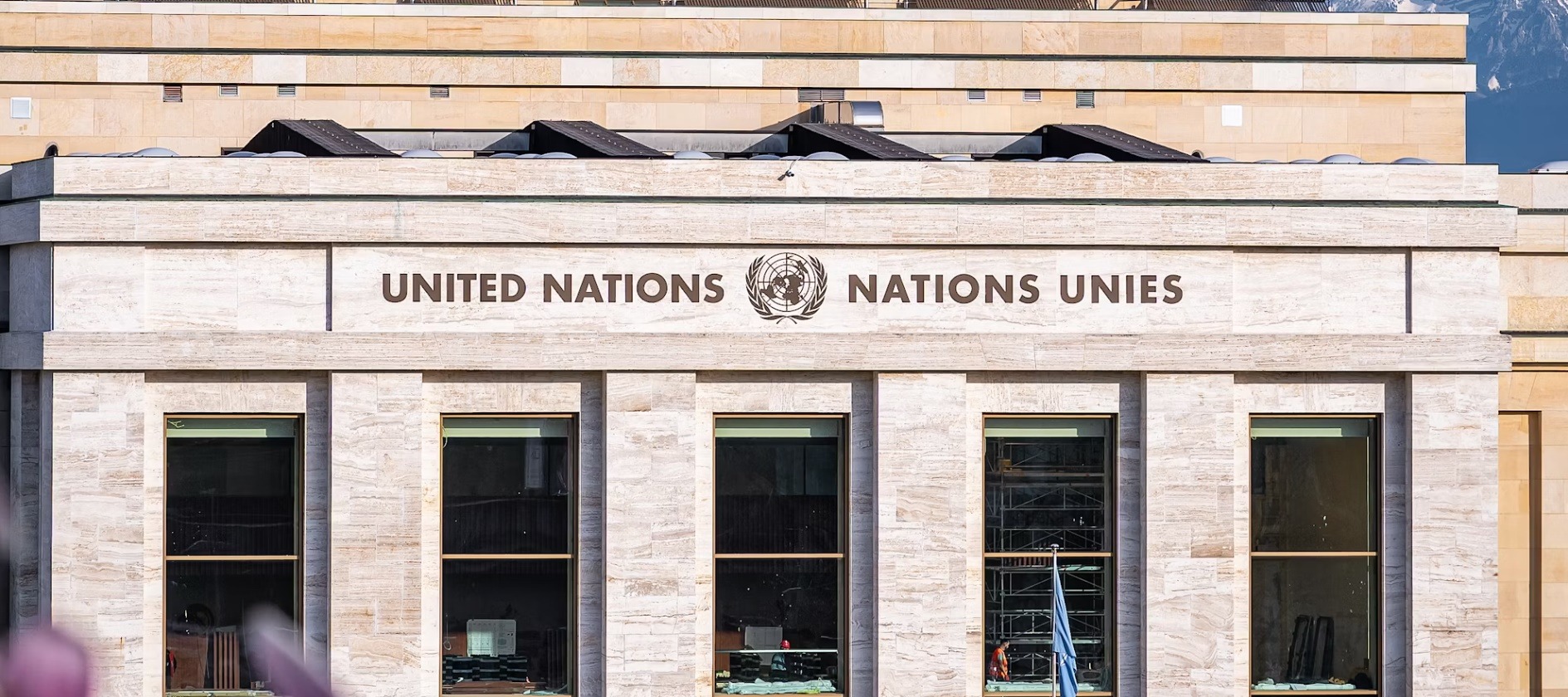
The United Nations is not a country, but it has significantly influenced global migration by protecting refugees, coordinating humanitarian assistance, supporting displaced populations, promoting human rights, and encouraging international cooperation.
The United Nations was established after World War II to preserve international peace, promote cooperation, protect human rights, and address humanitarian problems affecting people across national borders. Migration became an important part of its work as wars, persecution, decolonisation, poverty, and political instability displaced millions. UN agencies assist refugees, internally displaced people, stateless persons, migrant workers, asylum seekers, and communities receiving newcomers. The Office of the United Nations High Commissioner for Refugees protects people forced to flee, while the International Organization for Migration supports governments and migrants through emergency assistance, resettlement, health programmes, voluntary return, and migration policy. These organisations do not control national immigration laws but help countries cooperate and respond to migration more safely and humanely.
International Cooperation Before the United Nations
Before the United Nations existed, responsibility for migrants and refugees rested mainly with individual governments, charities, religious organisations, and temporary international bodies. World War I, revolutions, changing borders, persecution, and the collapse of empires created large refugee populations across Europe and neighbouring regions. The League of Nations introduced early international efforts to assist refugees, but protection remained limited and inconsistent. World War II produced an even greater humanitarian emergency as millions were killed, displaced, deported, or left without homes. Allied governments consequently supported the creation of a stronger international organisation. The United Nations Charter was signed in San Francisco on June 26, 1945, and the organisation officially came into existence on October 24, 1945.
Postwar Refugee and Migration Protection
After World War II, the United Nations developed institutions and legal standards for people forced to cross borders. UNHCR was established in 1950 to help displaced Europeans and later expanded its work to refugee crises worldwide. The 1951 Refugee Convention defined who qualifies as a refugee and established important protections, while the 1967 Protocol removed the Convention’s original time limitations. The United Nations also supports humanitarian relief, refugee resettlement, voluntary return, local integration, statelessness reduction, and protection during armed conflict. The International Organization for Migration formally joined the UN system in 2016 and now coordinates migration-related support with governments and humanitarian partners. Together, UN bodies promote safer migration while recognising that individual countries retain authority over admission, visas, citizenship, and border policies.