 Sign In







 Facebook
 X-Twitter
 Instagram
 Linkedin
 Youtube
More Information
More Information
Street Soccer in Grenada
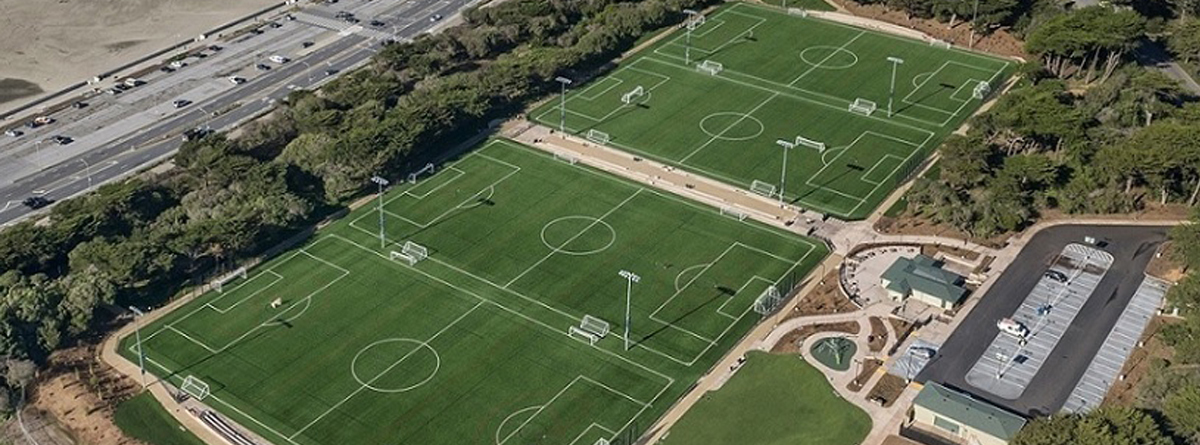
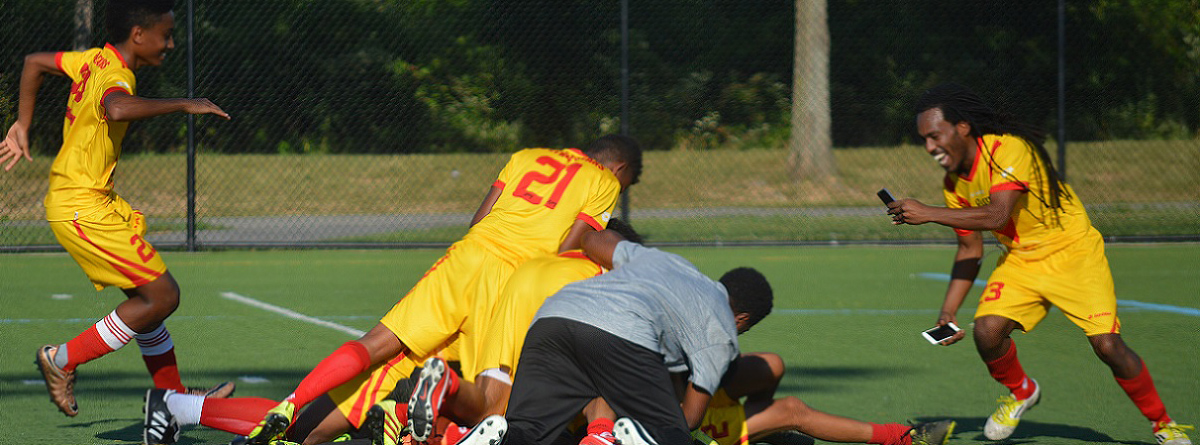
Street soccer is a popular recreational activity in Grenada, where children and teenagers regularly enjoy informal football matches in neighbourhood streets, school grounds, village spaces, parks, and community playing areas. These friendly games provide a fun way for young people to stay active while spending time with friends and improving their football skills.
Playing on smaller courts encourages quick passing, close ball control, fast footwork, and creative play. The relaxed nature of street soccer allows players to experiment with different techniques, build confidence, and strengthen teamwork through regular matches.
Street soccer offers an affordable and accessible way for communities across Grenada to enjoy football without requiring professional facilities. It promotes healthy lifestyles, strengthens local friendships, and inspires young players to continue developing their passion for the game.
Street Soccer Culture in Grenada
Football continues to grow in popularity throughout Grenada, and street soccer is often where many children first develop an interest in the sport. Informal matches organised by schools, neighbours, and community groups create a welcoming environment where players of all ages and abilities can take part.
Skills Developed Through Street Soccer
Street soccer helps players improve dribbling, first touch, passing accuracy, agility, balance, ball control, and awareness. Regular play also develops communication, creativity, confidence, and quick decision-making in competitive situations.
Street Soccer and Community Development
Street soccer brings communities together through football while encouraging positive social interaction and active lifestyles among young people. It also provides aspiring players with valuable experience before progressing to school teams, local football clubs, or organised youth football programmes.
The Grenada in the DMV Metro

- The Nutmeg Alliance (T.N.A.): A prominent, youth-led diaspora group organizing local fundraisers, game nights, and major cultural festivals.
- Grenada Cultural and Social Association (GCSA): Known for organizing formal community celebrations, including the annual Independence Gala.
- Grenadians United in Virginia, Inc.: A regional organization providing a network for nationals living further south in the Virginia area.
- Grenada Day in the DMV: Hosted in mid-July (most recently at 109 Burns Crossing Road, Severn, Maryland), this flagship outdoor festival showcases authentic cuisine, music, local vendors, and family activities.
- Independence Celebrations: Every February, the diaspora marks Grenada's Independence with church services, community receptions, and formal galas across the DMV.
- Diaspora Homecoming: The embassy coordinates virtual and in-person sessions to prepare DMV nationals for the multi-week diaspora homecoming events back in Grenada, focusing on local investment, immigration, and tourism.
Significance
Immigration from Grenada has generally reflected British colonial rule, educational opportunities, labour migration, political developments, economic conditions, family reunification, professional employment, and international business.
Migration from Grenada has historically been influenced by regional mobility within the Caribbean and longstanding ties with the United Kingdom and North America. Grenadians commonly migrated to neighboring Caribbean islands, the United Kingdom, Canada, and the United States for education, employment, trade, healthcare, and family reasons. Following independence, overseas migration continued as students, healthcare professionals, teachers, businesspeople, government officials, and skilled workers sought higher education and improved career opportunities abroad. In recent decades, family sponsorship, professional recruitment, and economic opportunities have contributed to continued migration to the United States, where Grenadian immigrants have established close-knit communities while maintaining strong cultural, economic, and family connections with their homeland.
Grenadian Migration Before Independence
Before independence, Grenada was administered as a British colony, and migration was shaped by agriculture, maritime trade, colonial administration, missionary education, and regional labour mobility. Residents frequently travelled throughout the Caribbean as farmers, traders, seafarers, teachers, civil servants, students, and members of extended families. Direct migration to the United States remained relatively limited because educational, political, and commercial links were primarily centred on the United Kingdom and other British Caribbean territories. Grenada gained independence on February 7, 1974, and the United States recognized the new nation shortly thereafter before establishing diplomatic relations.
Late-Twentieth- and Early-Twenty-First-Century Immigration
Migration patterns expanded after independence as political changes, economic challenges, and employment opportunities encouraged many Grenadians to seek careers abroad. The 1979 revolution and subsequent political instability, including the events surrounding the 1983 U.S.-led intervention, prompted some Grenadians to migrate for safety, education, and economic security. Students, physicians, nurses, teachers, engineers, entrepreneurs, academics, and business professionals increasingly travelled to the United States for higher education, specialized employment, investment, or family reunification. In the United States, Grenadian immigrants often rely on family networks, churches, cultural associations, alumni organizations, and community groups for support with housing, employment, education, and social integration while preserving English, Grenadian Creole traditions, local cuisine, music, cultural festivals, and close relationships with relatives in Grenada.


Latest Fixtures & Results
| 04.04.2028 |  |
North Korea | - |  |
Grenada |
| 04.11.2028 | |
Grenada | - |  |
Dominica |
| 04.18.2028 |  |
Tunisia | - | |
Grenada |
| 04.25.2028 | |
Grenada | - |  |
Nicaragua |
| 05.02.2028 |  |
Macedonia | - | |
Grenada |
| 05.09.2028 |  |
D. Republic | - | |
Grenada |
| 05.16.2028 | |
Grenada | - |  |
United N. |
| 05.23.2028 |  |
San Marino | - | |
Grenada |
| 05.30.2028 | |
Grenada | - |  |
Zimbabwe |
