Sign In









 Facebook
 X-Twitter
 Instagram
 Linkedin
 Youtube

Significance
Migration from the Commonwealth of Dominica has generally reflected British colonial rule, limited employment, agricultural decline, overseas labour demand, natural disasters, education, family networks, and the search for improved economic opportunities.
Dominican migration has historically focused on Britain, the United States, Canada, and other Caribbean territories. Early migrants included sailors, agricultural workers, domestic employees, students, religious workers, merchants, and professionals seeking employment or education abroad. Movement increased after World War II as labour shortages created opportunities in Britain and North America. Family sponsorship and established Caribbean communities later supported settlement in New York, New Jersey, Florida, Massachusetts, Canada, and the United Kingdom. Hurricanes, limited domestic employment, and dependence on agriculture also encouraged emigration. Migrants established churches, businesses, cultural associations, and family networks while preserving Kwéyòl, traditional food, music, religious customs, and close relationships with Dominica.
Dominican Migration Before Independence
Before independence, migration was shaped by French settlement, British colonial rule, plantation agriculture, slavery, emancipation, and movement between Caribbean islands. France attempted permanent settlement during the seventeenth century, but Dominica became a British possession under the Treaty of Paris in 1783. Enslaved Africans were transported to the island to work on plantations, and after emancipation, residents travelled abroad for agricultural work, shipping, domestic service, trade, and education. Dominicans commonly moved to Guadeloupe, Martinique, Trinidad, Britain, and other Caribbean territories where commercial and family connections already existed. Direct migration to the United States remained comparatively limited, although sailors, merchants, students, and workers gradually established connections with American ports and cities.
Late-Twentieth- and Early-Twenty-First-Century Migration
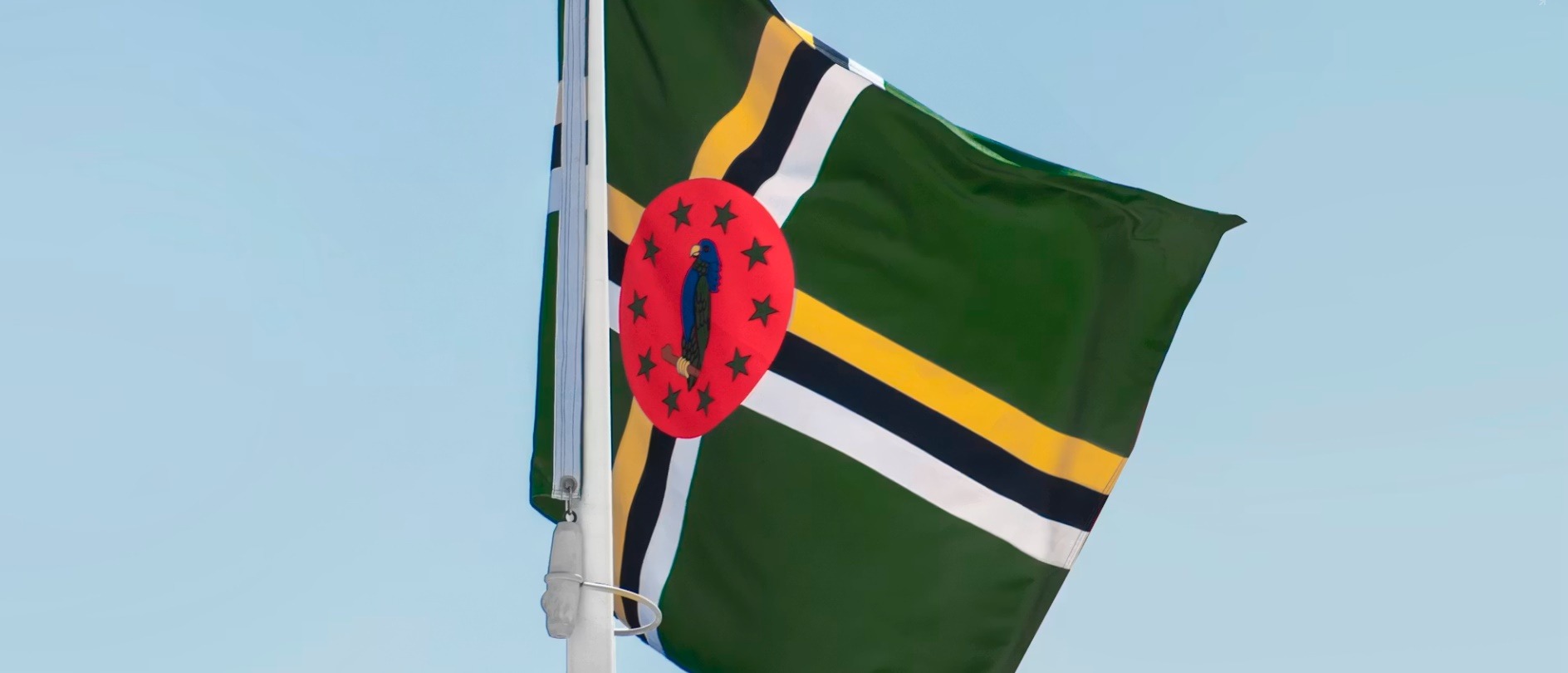
Dominica gained independence from the United Kingdom on November 3, 1978, and the United States recognised the new country that same day. Emigration continued because of limited employment, economic difficulties, education, family reunification, and the higher wages available overseas. Hurricane David devastated the island in 1979, leaving tens of thousands without homes and encouraging additional movement abroad. Later hurricanes and economic disruptions also influenced migration to the United States, Canada, Britain, and neighbouring Caribbean countries. Arrivals included healthcare workers, teachers, businesspeople, students, skilled employees, and relatives joining established families. Dominican communities abroad supported relatives through remittances, return visits, charitable projects, and cultural organisations while maintaining the island’s language, music, food, religious traditions, and national celebrations.