Sign In







 Facebook
 X-Twitter
 Instagram
 Linkedin
 Youtube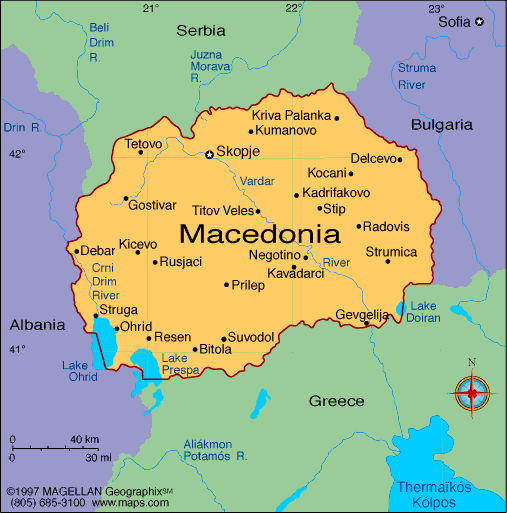
More Information
More Information
Street Soccer in North Macedonia
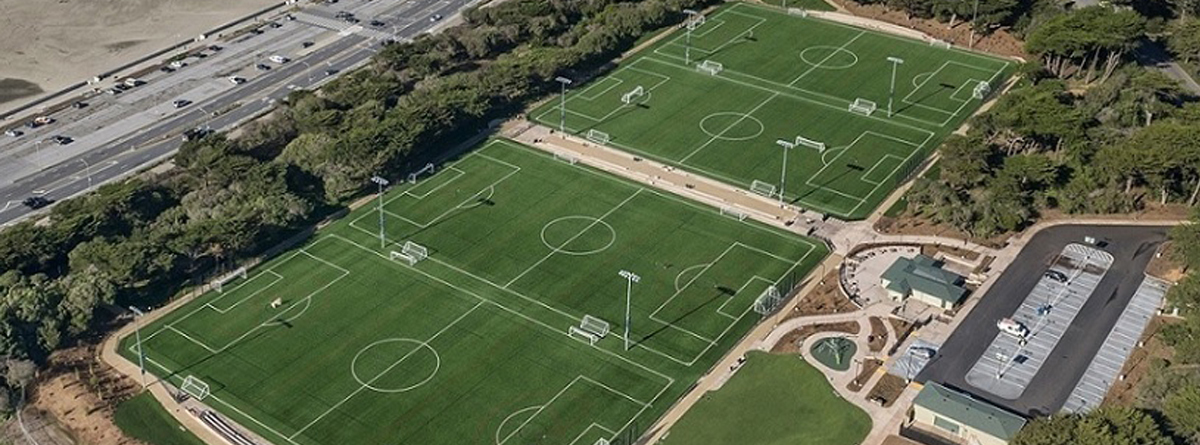
Street soccer is a popular pastime in North Macedonia, where children and teenagers regularly gather in neighbourhood courts, school playgrounds, village squares, parks, and community sports areas to enjoy informal football matches. These games provide a fun and accessible way for young players to stay active while improving their football skills and spending time with friends.
The fast-moving nature of street soccer encourages close ball control, accurate passing, quick footwork, and intelligent movement. Playing on compact pitches helps participants build confidence, strengthen teamwork, and develop creativity while adapting to different playing conditions and friendly competition.
Street soccer offers an affordable way for communities across North Macedonia to enjoy football without requiring professional stadiums or large playing fields. It promotes healthy lifestyles, strengthens local friendships, and inspires many young people to continue their football journey.
Street Soccer Culture in North Macedonia
Football is widely enjoyed throughout North Macedonia, and street soccer is often where many children first develop their passion for the game. Informal matches organised by schools, neighbours, and local communities create a welcoming environment where players of different ages and abilities can participate.
Skills Developed Through Street Soccer
Street soccer helps players improve dribbling, first touch, passing accuracy, agility, balance, ball control, and awareness. Regular matches also strengthen communication, creativity, confidence, and the ability to make quick decisions during fast-paced play.
Street Soccer and Community Development
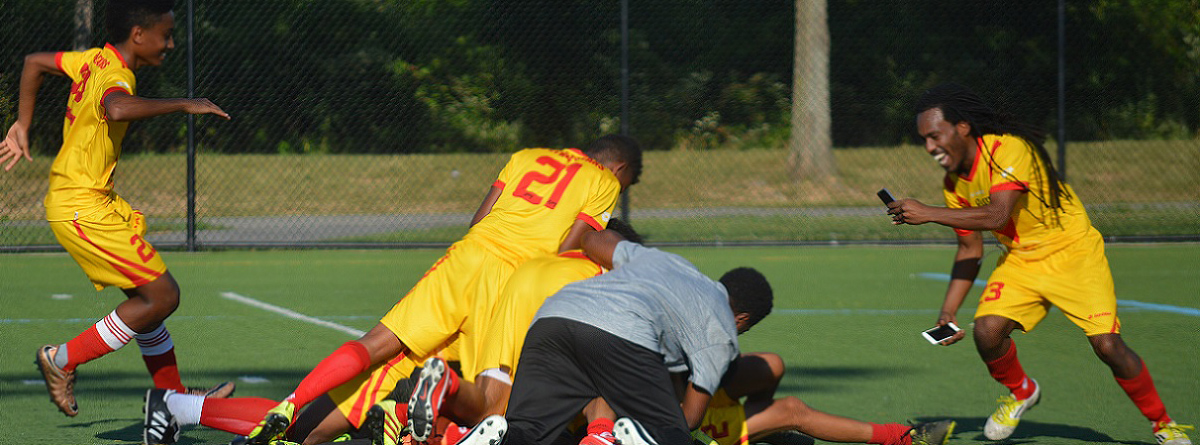
Street soccer brings communities together through football while encouraging teamwork, positive youth participation, and active lifestyles. It also provides aspiring players with valuable experience before progressing to school teams, local football clubs, academies, or organised youth football programmes.