Sign In









 Facebook
 X-Twitter
 Instagram
 Linkedin
 Youtube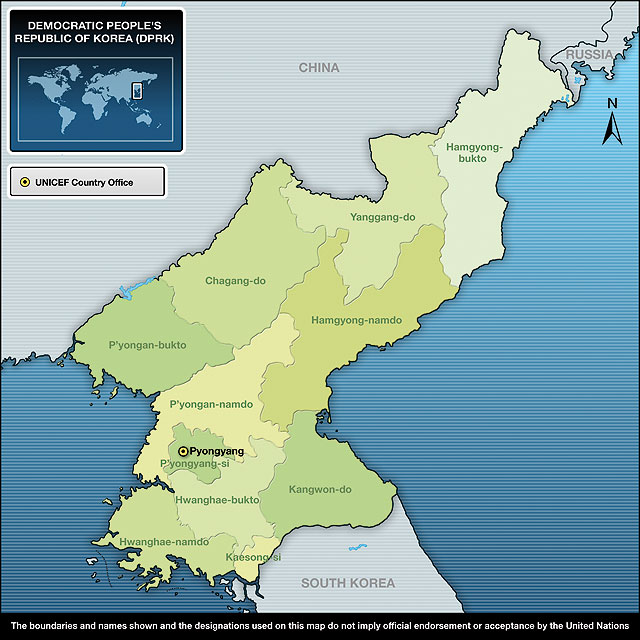

Significance
Immigration from North Korea has generally reflected political division, armed conflict, authoritarian governance, humanitarian displacement, educational opportunities, professional employment, asylum, refugee resettlement, and family reunification.
Migration from North Korea has historically been shaped by war, political isolation, strict government controls, and humanitarian conditions. Unlike most countries, emigration from North Korea has been highly restricted for decades, making overseas migration relatively rare. Those who have left have often done so by fleeing persecution, political repression, food insecurity, or economic hardship, typically travelling first through neighboring countries before seeking asylum elsewhere. A small number have ultimately settled in the United States through refugee resettlement, humanitarian protection, education, or family reunification programs. Today, North Korean immigrants and refugees in the United States maintain close ties with the broader Korean community while adapting to life in a democratic society.
North Korean Migration Before the Division of Korea
Before the division of the Korean Peninsula, the northern region formed part of Korea, which was annexed by Japan in 1910 and remained under Japanese colonial rule until 1945. Migration during this period was influenced by agriculture, mining, industrial development, military service, education, and forced labor under Japanese administration. Koreans travelled within East Asia as farmers, laborers, students, merchants, teachers, and civil servants, while some were compelled to relocate during the colonial era. Following Japan's surrender in 1945, Korea was divided along the 38th parallel, leading to the establishment of the Democratic People's Republic of Korea (North Korea) on September 9, 1948. The United States did not establish diplomatic relations with North Korea, and migration between the two countries remained extremely limited.
Late-Twentieth- and Early-Twenty-First-Century Immigration
Migration from North Korea has remained limited because of strict government restrictions on international travel and emigration. The Korean War (1950–1953), recurring food shortages during the 1990s, political persecution, and ongoing human rights concerns prompted some North Koreans to flee through China and Southeast Asia before seeking protection in South Korea, the United States, or other countries. A small number have entered the United States through refugee resettlement, humanitarian protection, educational opportunities, or family reunification. In the United States, North Korean immigrants and refugees often rely on family networks, churches, refugee assistance organizations, Korean community associations, and humanitarian groups for support with housing, employment, education, language services, and community integration while preserving the Korean language, traditional cuisine, cultural heritage, and connections with relatives who remain on the Korean Peninsula.