Sign In






 Facebook
 X-Twitter
 Instagram
 Linkedin
 Youtube
More Information
More Information
Street Soccer in Barbados
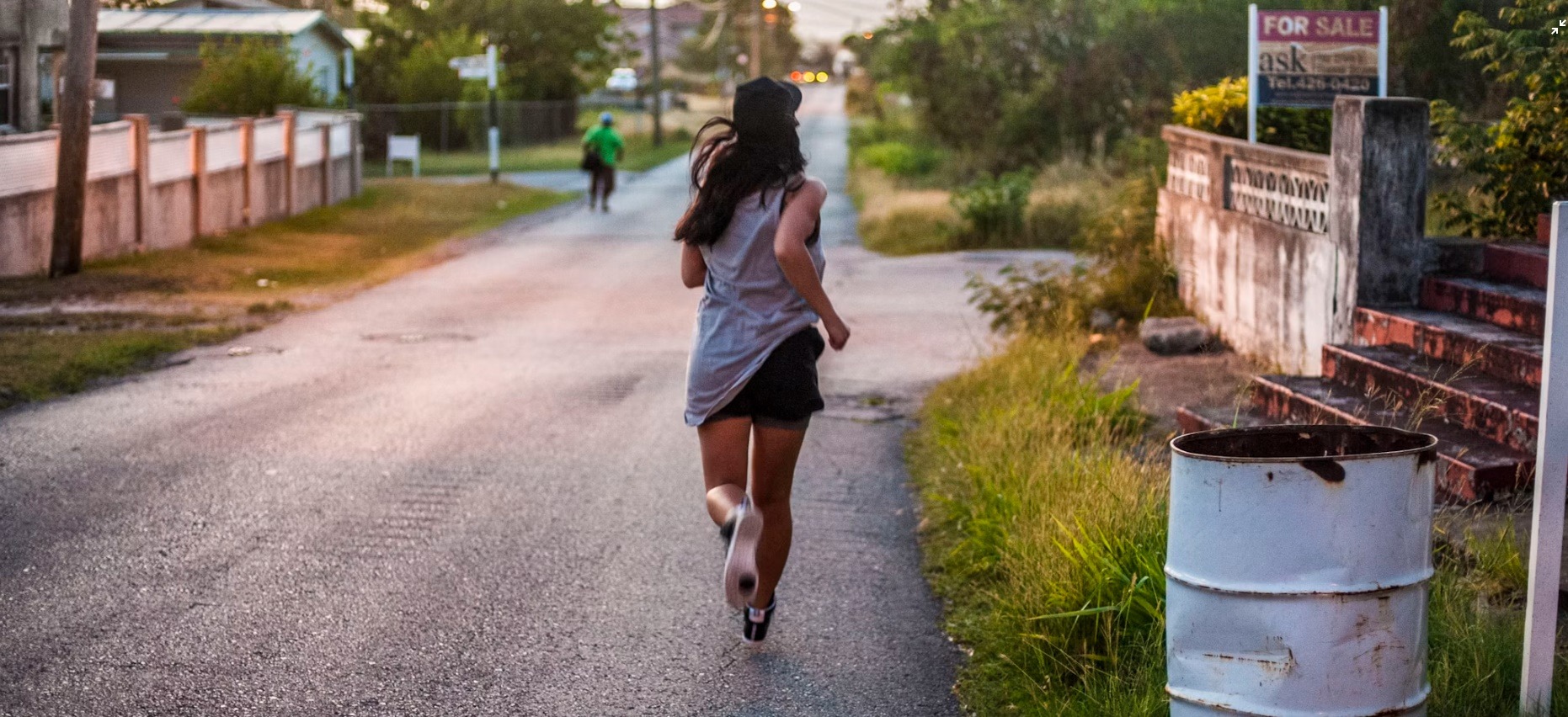
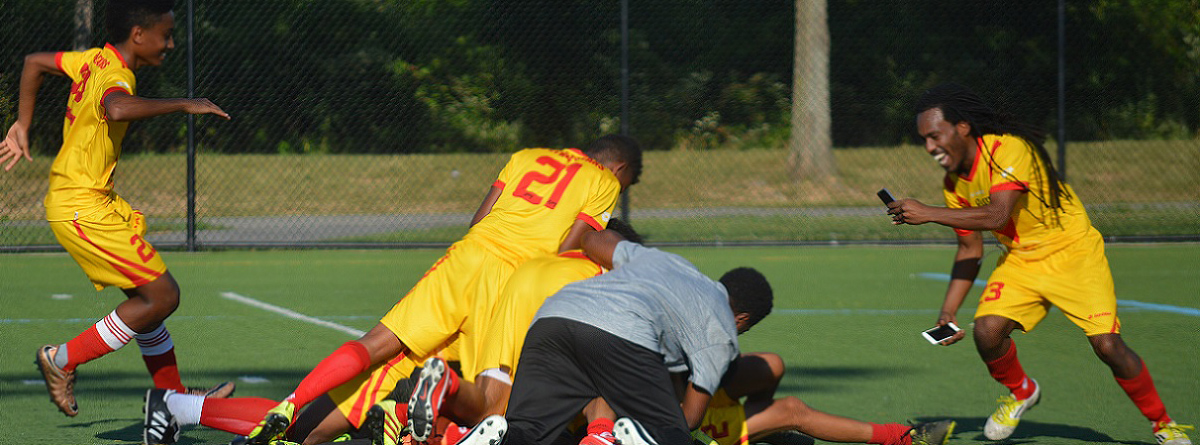
Street soccer is a popular recreational activity in Barbados, where children and teenagers regularly gather in neighbourhoods, school playgrounds, parks, and community spaces for informal football matches. These friendly games provide an enjoyable way to stay active while developing football skills in a relaxed and welcoming environment.
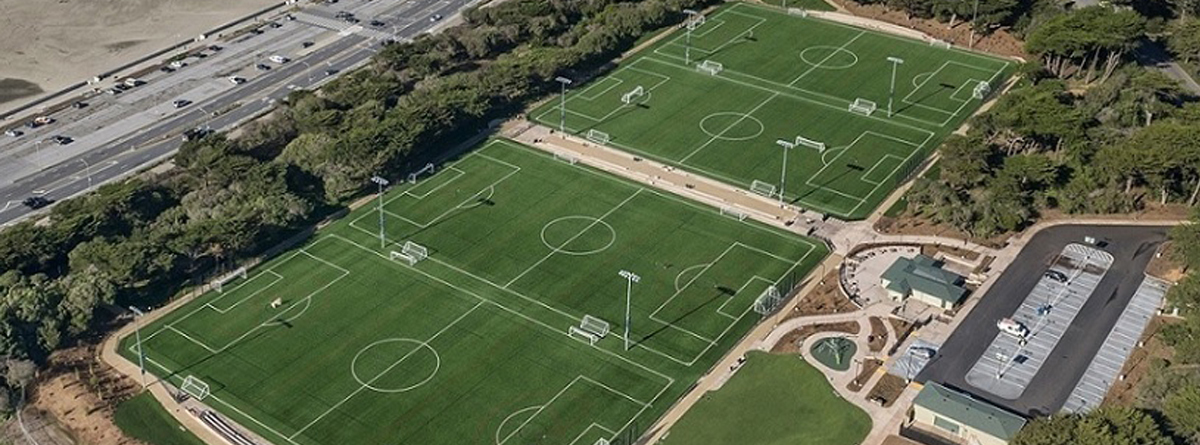
Playing on smaller pitches encourages quick passing, close ball control, and smart movement, helping players improve their technique through constant involvement in the game. The informal format also promotes creativity, teamwork, and confidence as participants learn from every match.
Street soccer offers an easy and affordable way for communities across Barbados to enjoy football without the need for professional facilities. It encourages healthy lifestyles, strengthens social connections, and inspires young players to continue participating in the sport.
Street Soccer Culture in Barbados
Football continues to attract growing interest in Barbados, and street soccer is often the first introduction to the game for many children. Friendly matches organised by schools, neighbours, and local communities create an inclusive atmosphere where players of all abilities can take part.
Skills Developed Through Street Soccer
Street soccer helps participants improve dribbling, first touch, passing accuracy, agility, balance, and awareness. The fast pace of the game also develops communication, quick thinking, and the confidence to perform under pressure.
Street Soccer and Community Development
Street soccer brings communities together by encouraging friendship, teamwork, and active participation through football. It also provides young players with a strong foundation before joining school teams, local football clubs, or organised youth football programmes.
The Barbados in the DMV Metro

- Embassy of Barbados: The central pillar for the Bajan diaspora in the DMV area. Located at 2144 Wyoming Avenue Northwest, the embassy regularly opens its doors for civic, cultural, and diaspora networking events. It hosts key official receptions, including high-level visits like that of the President of Barbados, alongside monthly virtual consultation meetings to keep the overseas community updated on national legislative, immigration, and citizenship bills.
- Barbados Association of Washington DC Area: A dedicated 501(c)(3) community organization that unites Bajans and friends of Barbados throughout the region. The BAWDC focuses heavily on charity, community activism, education, and career advancement. They organize grass-roots social functions ranging from youth face-painting and domino tournaments to targeted philanthropic fundraisers supporting causes back on the island.
- Passport DC & Cultural Diplomacy: The Embassy of Barbados serves as a massive hit during the annual Passport DC Around the World Embassy Tour every May. The event regularly features queues stretching down Wyoming Avenue for hours, offering locals and the diaspora authentic tastes of Banks beer, local rum punch, and Bajan cuisine.
- Bajan Happy Hours: The community hosts popular social mixers like "Rum Whispers"—a tailored happy hour featuring specialty cocktails designed by resident mixologists.
- Summer Festivals: High-profile thematic celebrations, such as the "Evening in Barbados", replicate the iconic energy of the island's Crop Over Festival with live music, dancing, and Caribbean cuisine in collaboration with city networking groups.
- Independence Celebrations: Around November 30, the community heavily coordinates milestone anniversary celebrations, art exhibitions, and formal gala receptions spanning across the Embassy and the Organisation of American States (OAS) headquarters.
Significance
Barbadian migration has generally reflected British colonial rule, plantation slavery, limited land and employment, overseas labour demand, education, family connections, economic opportunity, and the search for improved living conditions.
Migration connected with Barbados developed through centuries of movement between the island, Britain, North America, Central America, and other Caribbean territories. During the colonial era, Europeans, indentured workers, and enslaved Africans were brought to Barbados as the sugar plantation economy expanded. Later, population pressure, low wages, declining agricultural opportunities, and limited employment encouraged Barbadians to seek work abroad. Important destinations included Britain, the United States, Canada, Trinidad, British Guiana, and Panama. Migration increased again after World War II, when Barbadians joined the wider Windrush generation travelling to Britain for work and family reunification. Overseas communities maintained close relationships with Barbados through remittances, return visits, property ownership, churches, cultural organisations, and family networks.
Barbadian Migration Before Independence
Before Barbados gained independence, migration was shaped by British colonisation and the development of a highly profitable sugar industry. English settlement began in the seventeenth century, and the plantation system soon depended heavily on the forced transportation and labour of enslaved Africans. After slavery was abolished in the British Empire during the 1830s, many formerly enslaved people continued working on plantations because land and alternative employment remained limited. During the late nineteenth and early twentieth centuries, Barbadians increasingly travelled abroad as sailors, agricultural workers, domestic workers, artisans, teachers, clerks, and construction labourers. Some moved to Trinidad, British Guiana, Panama, Britain, Canada, and the United States, while others migrated between Caribbean islands. Overseas employment allowed workers to support relatives, purchase property, and improve their families’ economic position while preserving strong connections with Barbados.
Late-Twentieth-Century Migration
Barbadian migration increased after World War II as labour shortages and reconstruction created employment opportunities in Britain and North America. Many Barbadians travelled to Britain between 1948 and 1973 as part of the Windrush generation, working in transportation, healthcare, manufacturing, public services, and other industries. Others settled in the United States and Canada for education, professional employment, and family reunification. Barbados became independent from Britain on November 30, 1966, but migration continued because overseas wages and educational opportunities remained attractive. Barbadian communities developed especially in London, Toronto, New York, Boston, and other major cities. Migrants and their descendants preserved Bajan identity through churches, community associations, food, music, festivals, cricket, and regular contact with relatives on the island. Some later returned to Barbados with savings, qualifications, and professional experience gained abroad.