The Diaspora World Cup operates in some of the major cities and metro areas in
United States and
Canada. Our network of register players includes 20 cities, 200 countries, 400
teams, and 10,000
players. Join our movement to solve the world's most pressing challenges:
Illiteracy
Who We are text will be here Who We are text will be here Who We are text will
be here Who We
are text will be here Who We are text will be here Who We are text will be here
Who We are text
will be here Who We are text will be here Who We are text will be here
What We Do text will be here What We Do text will be here What We Do text will
be here What We
Do text will be here What We Do text will be here What We Do text will be here
What We Do text
will be here What We Do text will be here What We Do text will be here What We
Do text will be
here What We Do text will be here What We Do text will be here
Get Involved text will be here Get Involved text will be here Get Involved text
will be here Get
Involved text will be here Get Involved text will be here Get Involved text will
be here Get
Involved text will be here Get Involved text will be here Get Involved text will
be here Get
Involved text will be here
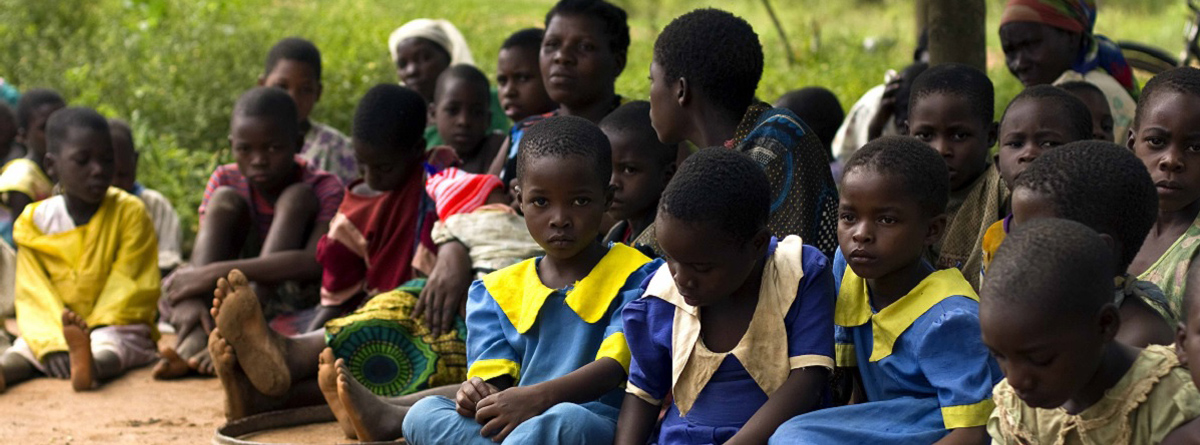
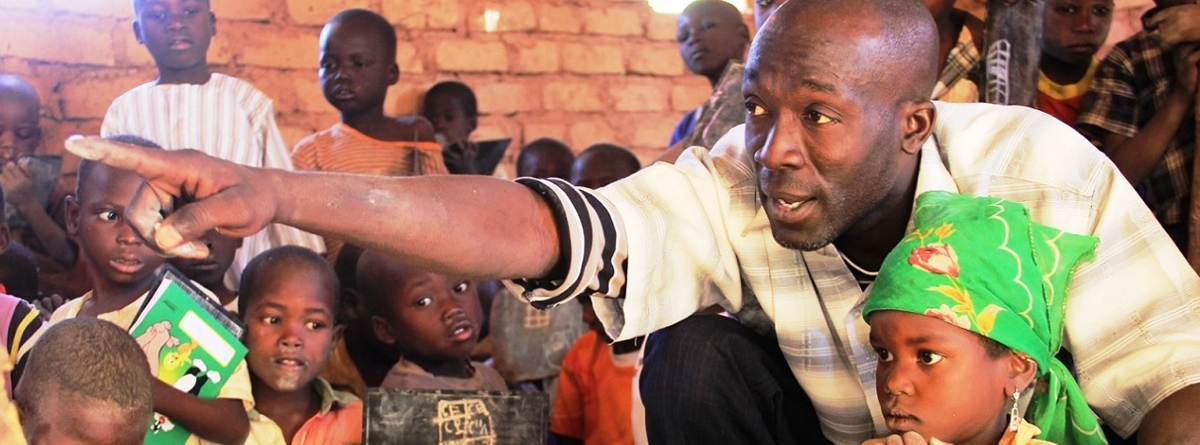
Education is a basic Human Right and the Diaspora World Cup global school
program focuses its
energy in some the poorest countries around the world. We build schools in some
of the poorest
countries around the worldthat historically had no adequate school structure.
Any member of the
World Diaspora has the power to end illiteracy around the world through the
power of soccer.
High-profile sport figures, global leaders, business leaders, political figure,
journalists,
activists, philanthropists, actors, and entrepreneurs united by their commitment
to the Diaspora
World Cup mission to eradicate illiteracy around the world through the power of
soccer. They serve
as role models and spread the Diaspora World Cup vision and commitment of a
world mobilized
through soccer.
Diaspora 2027: complete guide to all players | The Diaspora
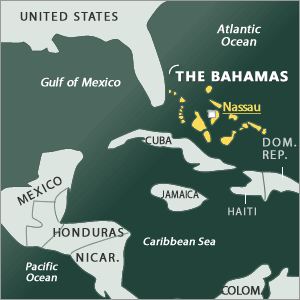
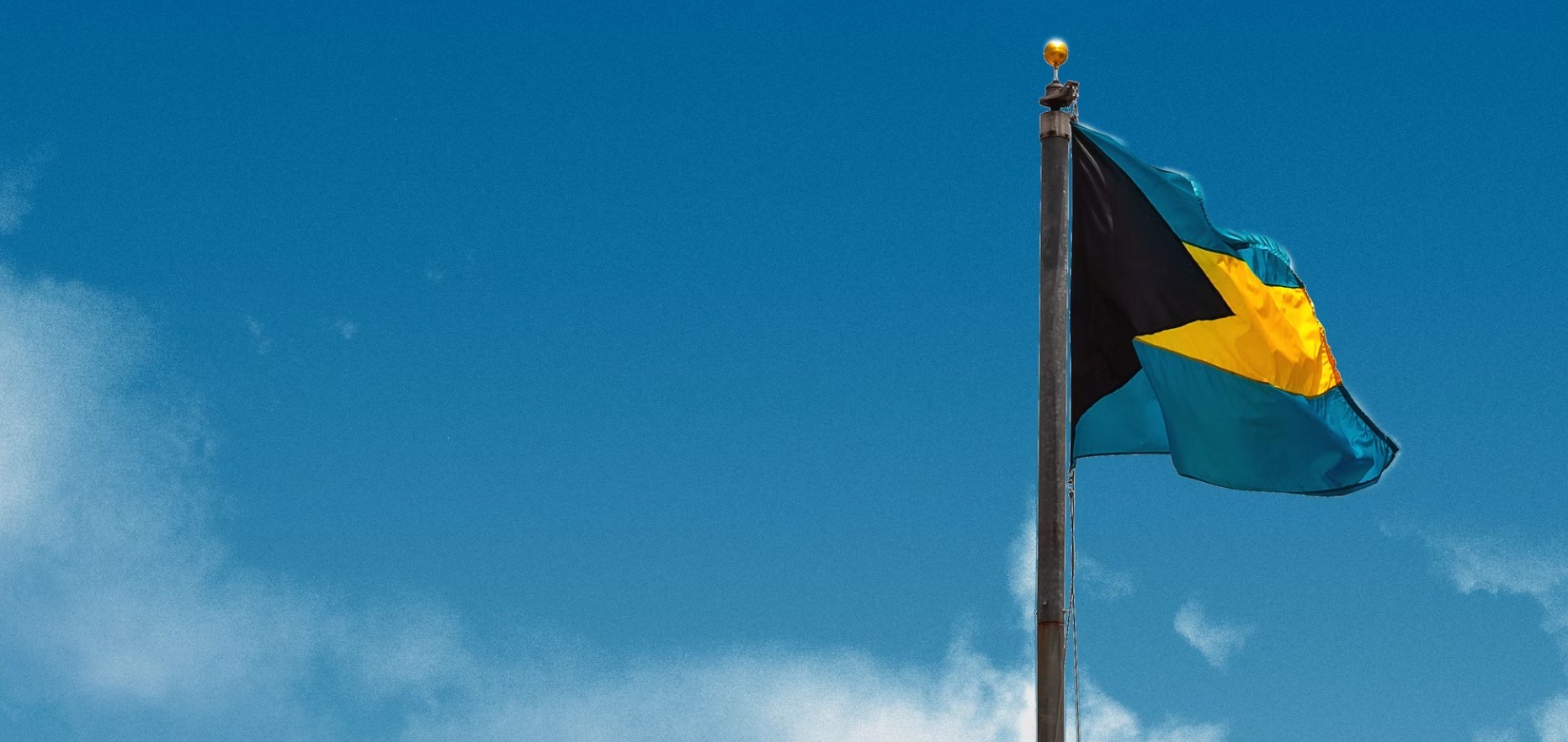
BAHAMAS
Welcome to the 2028 Diaspora World Cup. Rockville – Aspen Hill
Rockville – Aspen Hill
Welcome to the 2028 Diaspora World Cup. Rockville – Aspen Hill
The Bahamian diaspora in the Washington, D.C., Maryland, and Virginia (DMV) region is a tight-knit and active community anchored by formal cultural associations and official diplomatic outposts. Core Community Organizations BAAWMAR:: The Bahamian American Association of the Washington, DC & Mid-Atlantic Region, Inc. is the central community hub. Formally establis...The Bahamian diaspora in the Washington, D.C., Maryland, and Virginia (DMV) region is a tight-knit and active community anchored by formal cultural associations and official diplomatic outposts. Core Community Organizations BAAWMAR:: The Bahamian American Association of the Washi...
More Information
Chelsea Official
Download The 5th Stand, Chelsea’s official mobile app, to see exclusive content, match action and all the latest news from Stamford Bridge.
More Information
Street Soccer in Bahamas
Street soccer is a popular way for children and teenagers in the Bahamas to enjoy football, with friendly matches often played in neighbourhoods, school grounds, parks, beaches, and community open spaces. These informal games give young players a chance to stay active while enjoying the sport in a fun and relaxed environment.
Playing on smaller surfaces helps participants improve close ball control, accurate passing, quick footwork, and awareness. The fast-moving nature of street soccer encourages creativity, teamwork, and confidence as players adapt to different playing conditions.
Street soccer provides an affordable and accessible way for local communities to enjoy football without requiring professional facilities. It promotes healthy lifestyles, builds lasting friendships, and inspires many young people to continue developing their interest in the game.
Street Soccer Culture in Bahamas
Football continues to grow in popularity across the Bahamas, and street soccer is an important part of that journey. Informal matches are commonly organised by friends, schools, and neighbourhood groups, creating an enjoyable atmosphere where players of all ages and skill levels can take part.
Skills Developed Through Street Soccer
Street soccer helps players improve dribbling, first touch, passing accuracy, agility, balance, and quick decision-making. Regular play also strengthens communication, coordination, and the confidence to perform in challenging situations.
Street Soccer and Community Development
Street soccer brings communities together through a shared love of football while encouraging young people to stay active and engaged. It also helps talented players build the experience needed to progress into school teams, local football clubs, and organised youth football programmes.
The Bahamas in the DMV Metro
The Bahamian diaspora in the Washington, D.C., Maryland, and Virginia (DMV) region is a tight-knit and active community anchored by formal cultural associations and official diplomatic outposts.
Core Community Organizations
BAAWMAR:: The Bahamian American Association of the Washington, DC & Mid-Atlantic Region, Inc. is the central community hub. Formally established in 2016 and restructured in 2019, it connects locals through cultural preservation, networking, and community support.
Embassy Consular Annex: Established in 2014 by the Embassy of the Commonwealth of The Bahamas,this dedicated annex specifically handles the unique civic and social demands of the tri-state diaspora.
Key Events & Engagement
Independence Celebrations: Every July, the community gathers for highly publicized events like the Independence Diplomatic Reception and coordinated church fellowship services to celebrate Bahamian nationhood.
Virtual Programming: The Embassy regularly hosts virtual series such as "Conversations with the Diaspora," which spotlights Bahamian professionals, artists, and educators moving the community forward across the United States.
Significance
Bahamian migration has generally reflected colonial rule, limited employment opportunities, maritime trade, agricultural work, tourism, family connections, natural disasters, education, and the islands’ close relationship with the United States.
Bahamian migration developed through centuries of movement between the islands, Florida, and other Caribbean territories for fishing, shipwreck salvage, trade, marriage, and employment. Movement to the United States increased during the nineteenth and early twentieth centuries, particularly toward Key West and South Florida, where Bahamians worked in fishing, sponging, farming, construction, and domestic service. Between 1900 and 1920, thousands of Bahamians moved to Florida, sometimes as seasonal agricultural workers. Later migration continued through education, professional employment, family reunification, and temporary labour programmes. Bahamian communities helped shape settlements in Key West, Coconut Grove, Lemon City, and other areas of South Florida while maintaining close cultural and family connections with their home islands.
Bahamian Migration Before Independence
Before The Bahamas gained independence, migration was shaped by British colonial rule and the islands’ location near Florida and major Atlantic shipping routes. British Loyalists and enslaved Africans arrived after the American Revolution, while liberated Africans and African Seminoles later settled in different parts of the islands. Bahamians regularly travelled to the Florida Keys to fish, collect sponges, catch turtles, salvage wrecked ships, and trade goods. During the late nineteenth and early twentieth centuries, limited farmland, unemployment, hurricanes, and changes in industries such as sponging encouraged many residents to relocate to Key West, Miami, and nearby communities. Bahamian immigrants established churches, businesses, neighbourhoods, and family networks that contributed significantly to the early development of South Florida.
Late-Twentieth-Century Migration
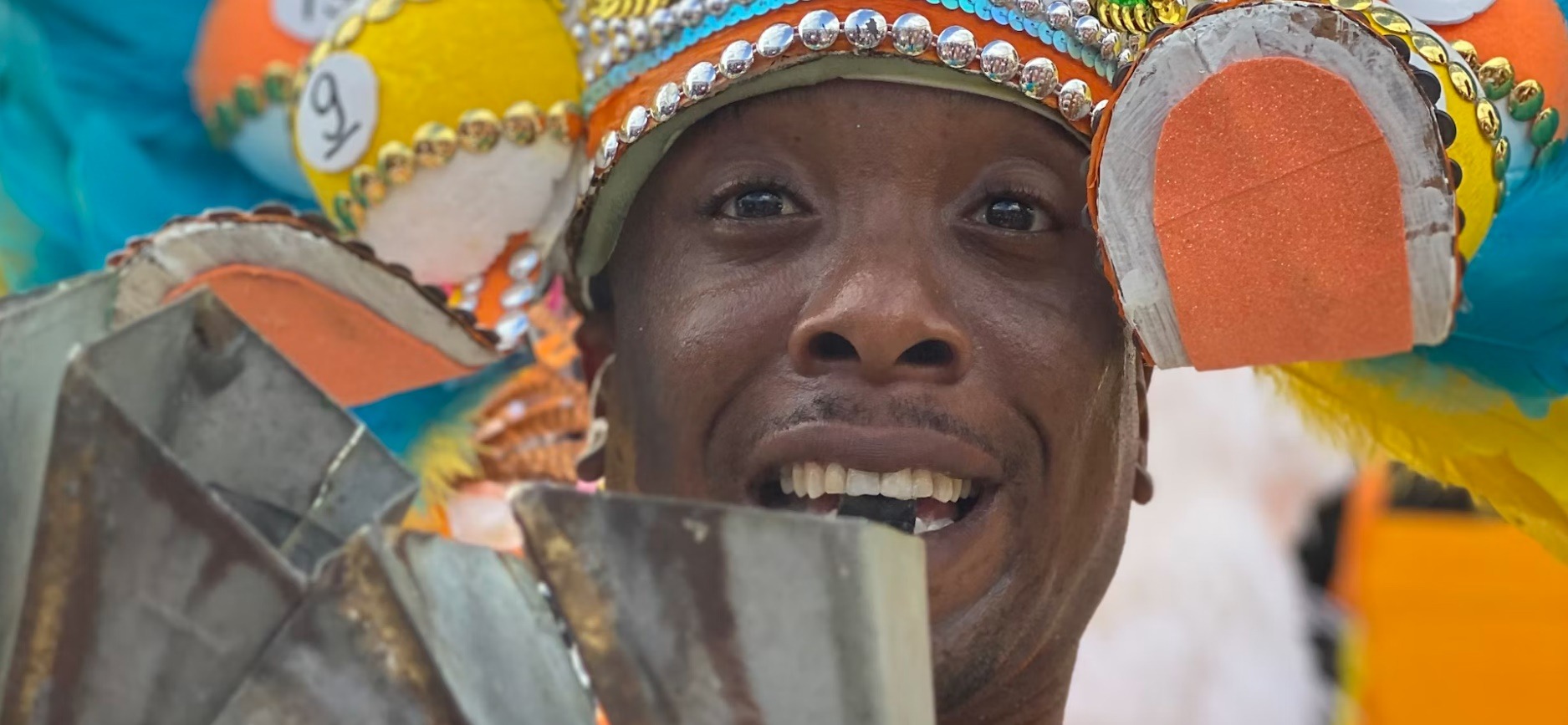
The Bahamas achieved independence from Britain on July 10, 1973, but migration remained an important part of the country’s economic and social life. Bahamians continued moving to the United States, Canada, and the United Kingdom for university education, healthcare, professional employment, and family reunification. At the same time, the growth of tourism, hotels, construction, financial services, and transportation attracted workers from Haiti, Jamaica, other Caribbean countries, and overseas. Some Bahamians returned after studying or working abroad, bringing professional experience and financial resources to the islands. Migrants and their descendants continued to preserve Bahamian traditions through family organisations, churches, food, music, Junkanoo celebrations, and regular travel between The Bahamas and established communities abroad.
Lorem ipsum dolor sit amet, consectetur adipiscing elit, sed do eiusmod tempor incididunt ut
labore et dolore magna aliqua. Ut enim ad minim veniam, quis nostrud exercitation ullamco
laboris nisi ut aliquip ex ea commodo consequat. Duis aute irure dolor in
reprehenderit in voluptate velit esse cillum dolore eu fugiat nulla pariatur.
 Sign In






 Facebook
 X-Twitter
 Instagram
 Linkedin
 Youtube