Sign In









 Facebook
 X-Twitter
 Instagram
 Linkedin
 Youtube
More Information
More Information
Street Soccer in Wales
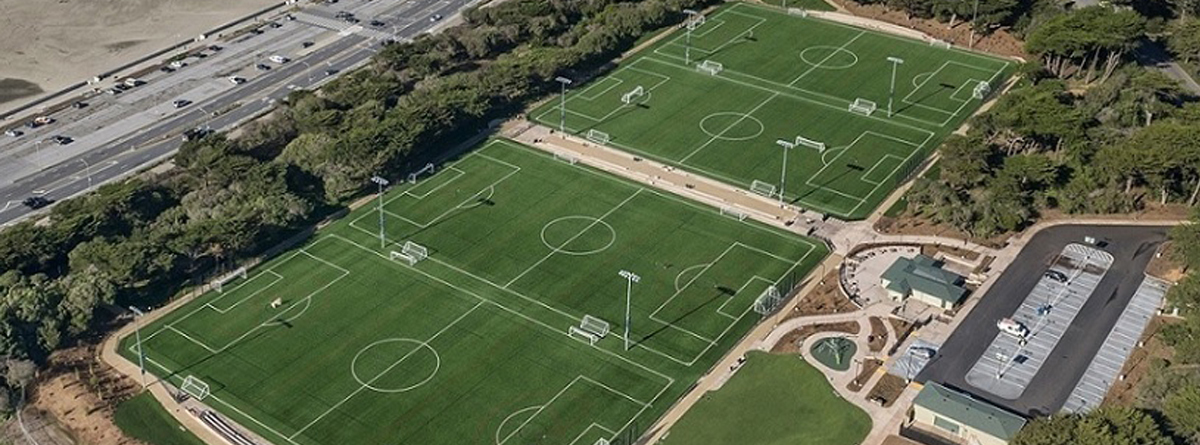
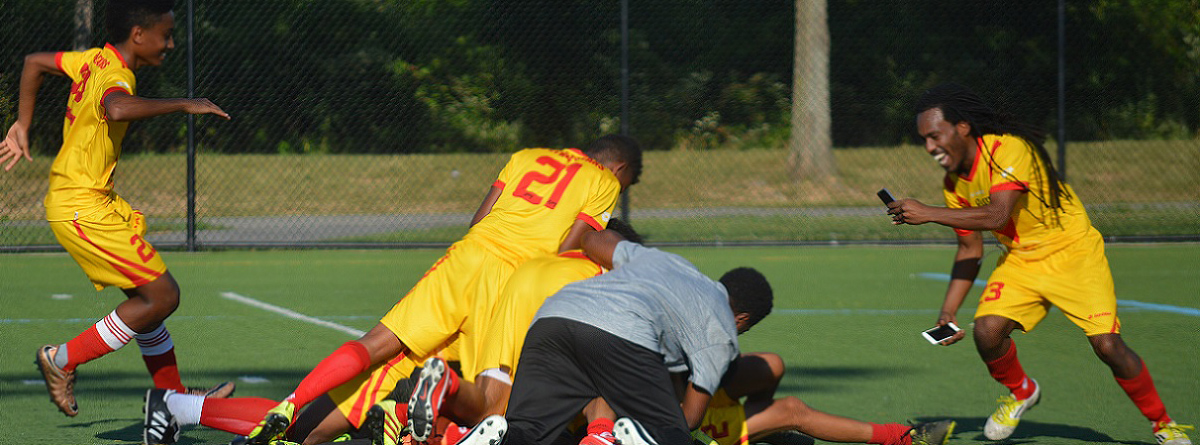
Street soccer is a popular recreational activity in Wales, where children and teenagers regularly play informal football matches in neighbourhood streets, school playgrounds, community parks, public sports courts, residential areas, and open spaces. These games provide young players with an enjoyable way to stay active, improve their football skills, and build lasting friendships through the sport.
The fast-paced and technical nature of street soccer encourages close ball control, quick passing, creative dribbling, and intelligent movement. Playing in smaller spaces helps participants sharpen their technique, strengthen teamwork, build confidence, and improve their ability to make quick decisions under pressure.
Street soccer offers an accessible and affordable way for communities across Wales to enjoy football without requiring professional facilities. It promotes healthy lifestyles, strengthens local connections, and inspires many young players to continue their football journey through schools, local clubs, academies, futsal programmes, and organised competitions.
Street Soccer Culture in Wales
Football is one of the most popular sports in Wales, and street soccer is often where many children first develop their passion for the game. Informal matches organised by schools, friends, and neighbourhood communities create a welcoming atmosphere where players of different ages and skill levels can participate while sharing their enthusiasm for football.
Skills Developed Through Street Soccer
Street soccer helps players improve dribbling, first touch, passing accuracy, shooting technique, agility, balance, ball control, tactical awareness, and spatial awareness. Regular games also strengthen communication, creativity, confidence, composure, and the ability to make quick decisions during fast-paced matches.
Street Soccer and Community Development
Street soccer brings communities together through football while encouraging teamwork, positive youth participation, and active lifestyles. It also provides aspiring players with valuable experience before progressing to school teams, local football clubs, academies, futsal programmes, or organised youth football competitions.
The WALES in the DMV Metro

- The Welsh Government in the United States: Headquartered within the British Embassy in Washington D.C., the official Welsh Government delegation proactively promotes Wales across the Americas. They spearhead trade missions, cultural exchange, and international policy initiatives.
- The Congressional Friends of Wales Caucus: Established in 2014 by Virginia Representative Morgan Griffith, this legislative caucus highlights the shared lineage and deep socioeconomic connections between Wales and the United States—particularly linking Appalachian mining history with the coal valleys of South Wales.
- The St. David’s Welsh-American Society of Washington DC: Operating under the community moniker Washington DC Welsh (Cymdeithas Dewi Sant yn Washington DC), this organization serves as the primary community anchor. They host regular meetups, language groups, and social gatherings for expats and Americans of Welsh descent.
- GlobalWelsh Virginia: A localized hub of the international GlobalWelsh grassroots network, which serves as a business networking and professional community bridging transatlantic enterprises. [1]
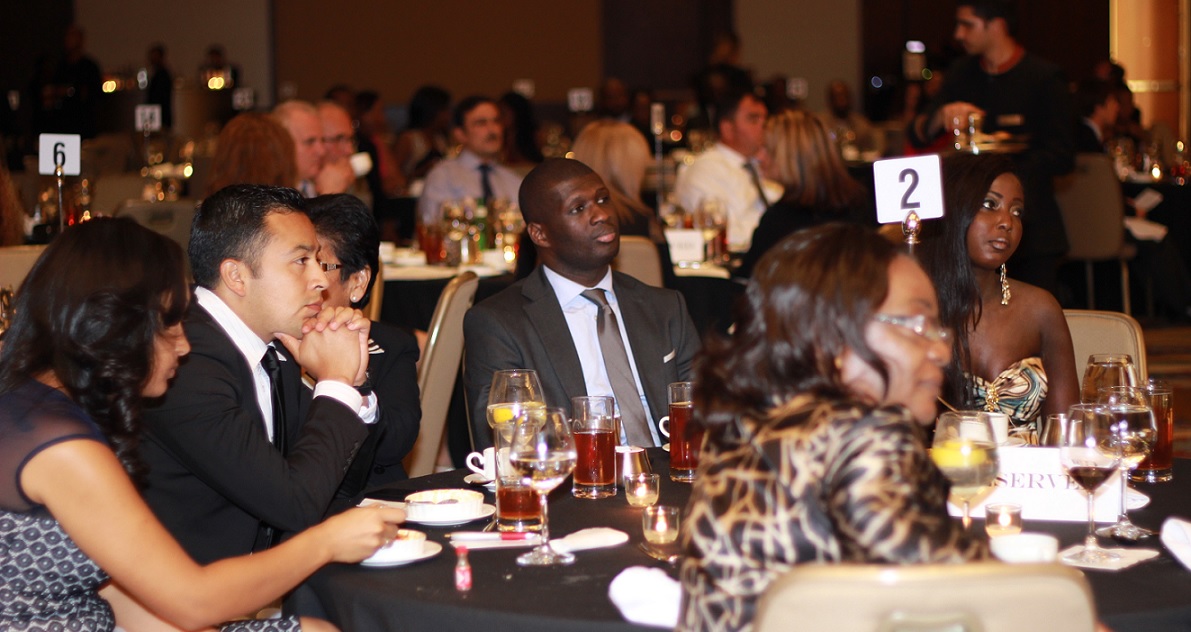
- St. David's Day Gala: Every March, the diaspora comes together for high-profile celebrations marking the feast day of the patron saint of Wales, frequently featuring traditional choral music, poetry, and visiting dignitaries from Wales. [1]
- Public Engagement Events: The community frequently organizes pop-up gatherings, such as the #SoccerInTheCircle events in Washington D.C., which gather Welsh soccer fans and expats during international tournaments. []
- Contact channels for the Washington DC Welsh social networks.
- Details on historical Welsh heritage sites or genealogy resources in the Mid-Atlantic.
- Information on St. David's Day events or local professional networking opportunities.
Significance
Welsh immigration significantly influenced the United States through colonial settlement, farming, mining, slate quarrying, iron and steel production, religious institutions, labour organisations, music, education, and the preservation of the Welsh language.
Welsh migration to North America began during the colonial period and increased substantially in the nineteenth century. Early settlers included Quakers, farmers, ministers, artisans, merchants, and labourers seeking religious freedom, land, and economic opportunity. Later arrivals brought valuable experience in coal mining, iron production, and slate quarrying, establishing communities in Pennsylvania, Ohio, New York, Wisconsin, and other states. Welsh immigrants founded churches, newspapers, schools, singing societies, mutual-aid organisations, and cultural festivals. Because Wales formed part of Great Britain, migrants were often officially recorded as British rather than Welsh, making their exact numbers difficult to determine. Welsh Americans nevertheless preserved a distinct identity through the Welsh language, religious worship, poetry, choral music, and community gatherings.
Welsh Migration Before American Independence
Before American independence, Welsh migration was shaped by religious persecution, limited access to land, commercial opportunities, and the expansion of British colonies. Welsh Quakers began settling in Pennsylvania during the late seventeenth century after William Penn offered religious tolerance and opportunities for landownership. They established communities west of Philadelphia, including settlements associated with Radnor, Merion, and other parts of the region known as the Welsh Tract. Other arrivals included Anglican ministers, Baptists, farmers, craftspeople, merchants, and indentured servants. Welsh settlers built meeting houses, farms, mills, and local institutions while maintaining their language and religious traditions. Over time, they became increasingly integrated into colonial society, although Welsh place names, congregations, and cultural practices continued to reflect their origins.
Nineteenth- and Twentieth-Century Immigration
Welsh immigration increased during the nineteenth century as industrial change, high taxes, religious discrimination, limited farmland, and demand for skilled labour encouraged people to leave Wales. Experienced quarrymen, coal miners, ironworkers, steelworkers, farmers, and tradespeople found employment in Pennsylvania, Ohio, New York, Maryland, West Virginia, and other industrial regions. Welsh slate workers were especially important in developing American slate-quarrying communities; immigration to one Maryland–Pennsylvania slate district rose sharply during the mid-nineteenth century. Migrants established chapels, Welsh-language newspapers, literary societies, choirs, and annual cultural gatherings known as eisteddfodau. Immigration declined during the twentieth century as economic conditions improved in Britain and American restrictions reduced European immigration. Later arrivals more commonly included students, academics, professionals, businesspeople, artists, and relatives joining established families.