The Diaspora World Cup operates in some of the major cities and metro areas in
United States and
Canada. Our network of register players includes 20 cities, 200 countries, 400
teams, and 10,000
players. Join our movement to solve the world's most pressing challenges:
Illiteracy
Who We are text will be here Who We are text will be here Who We are text will
be here Who We
are text will be here Who We are text will be here Who We are text will be here
Who We are text
will be here Who We are text will be here Who We are text will be here
What We Do text will be here What We Do text will be here What We Do text will
be here What We
Do text will be here What We Do text will be here What We Do text will be here
What We Do text
will be here What We Do text will be here What We Do text will be here What We
Do text will be
here What We Do text will be here What We Do text will be here
Get Involved text will be here Get Involved text will be here Get Involved text
will be here Get
Involved text will be here Get Involved text will be here Get Involved text will
be here Get
Involved text will be here Get Involved text will be here Get Involved text will
be here Get
Involved text will be here
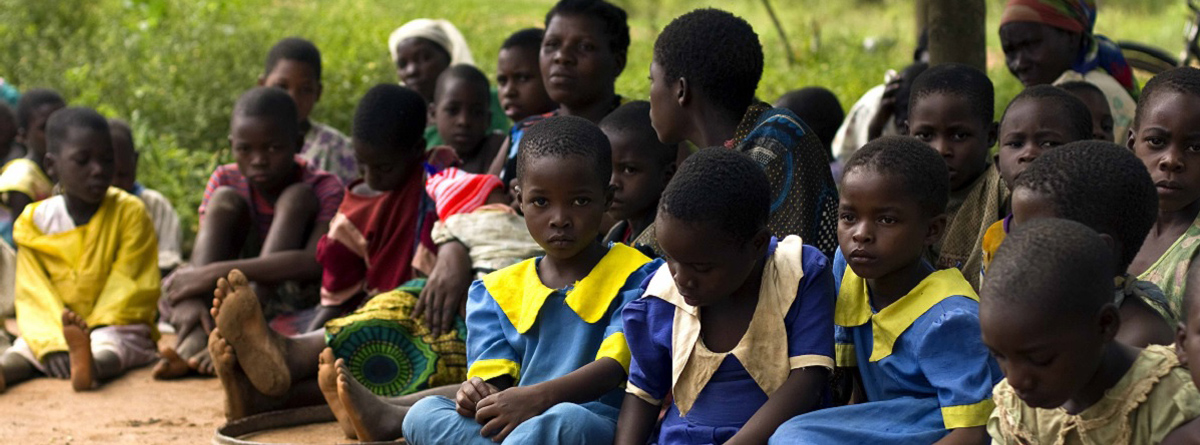
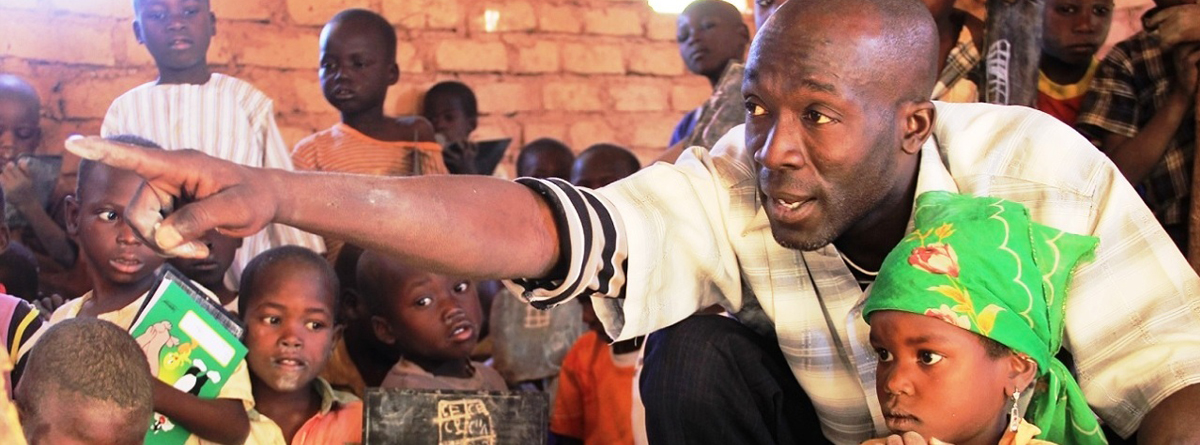
Education is a basic Human Right and the Diaspora World Cup global school
program focuses its
energy in some the poorest countries around the world. We build schools in some
of the poorest
countries around the worldthat historically had no adequate school structure.
Any member of the
World Diaspora has the power to end illiteracy around the world through the
power of soccer.
High-profile sport figures, global leaders, business leaders, political figure,
journalists,
activists, philanthropists, actors, and entrepreneurs united by their commitment
to the Diaspora
World Cup mission to eradicate illiteracy around the world through the power of
soccer. They serve
as role models and spread the Diaspora World Cup vision and commitment of a
world mobilized
through soccer.
Diaspora 2027: complete guide to all players | The Diaspora
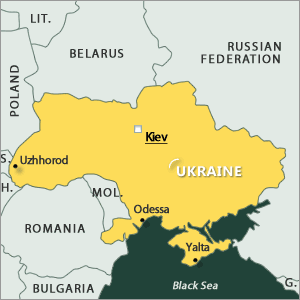
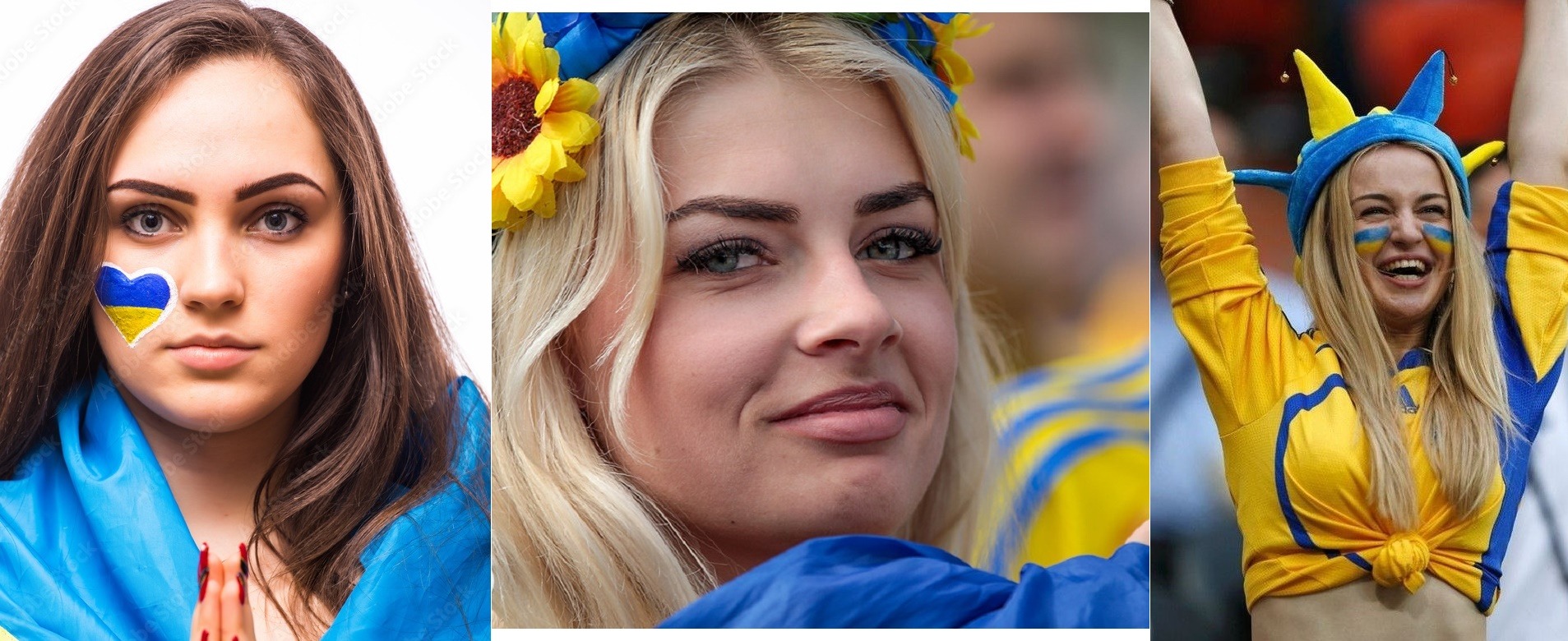
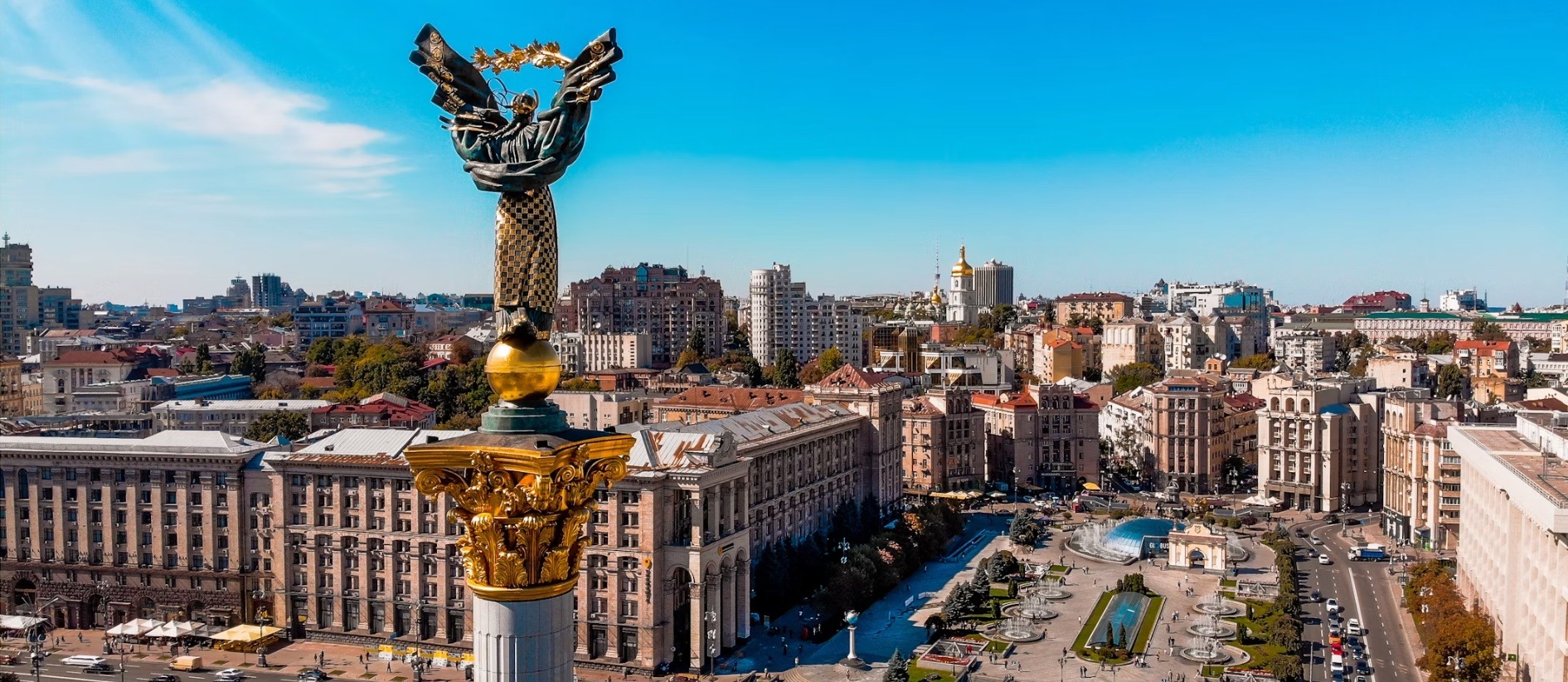
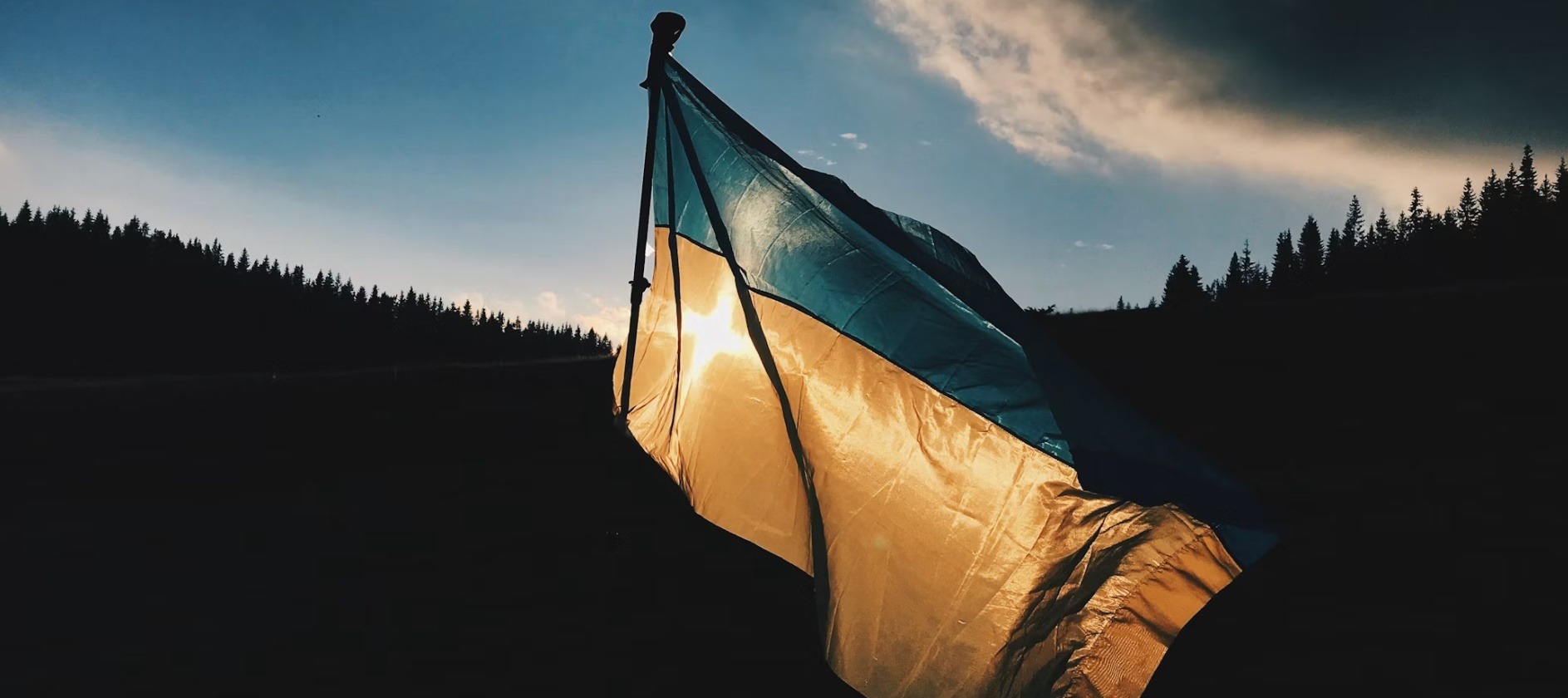
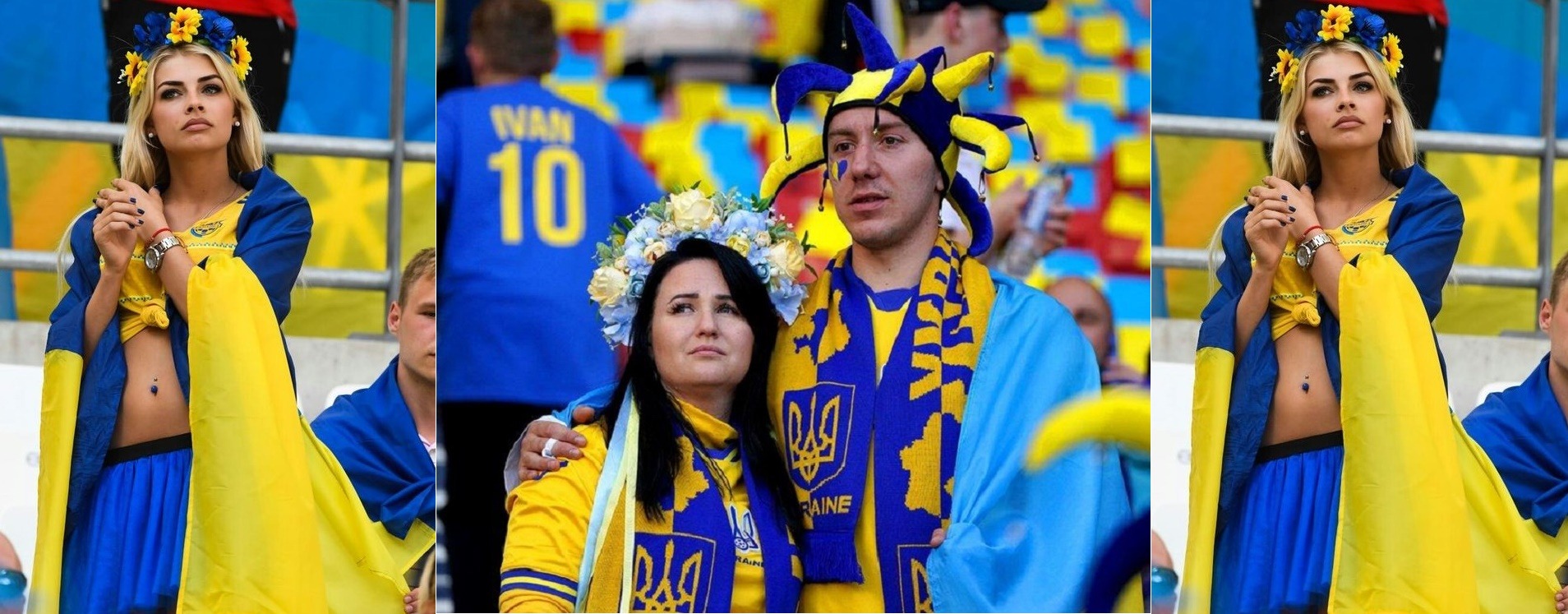
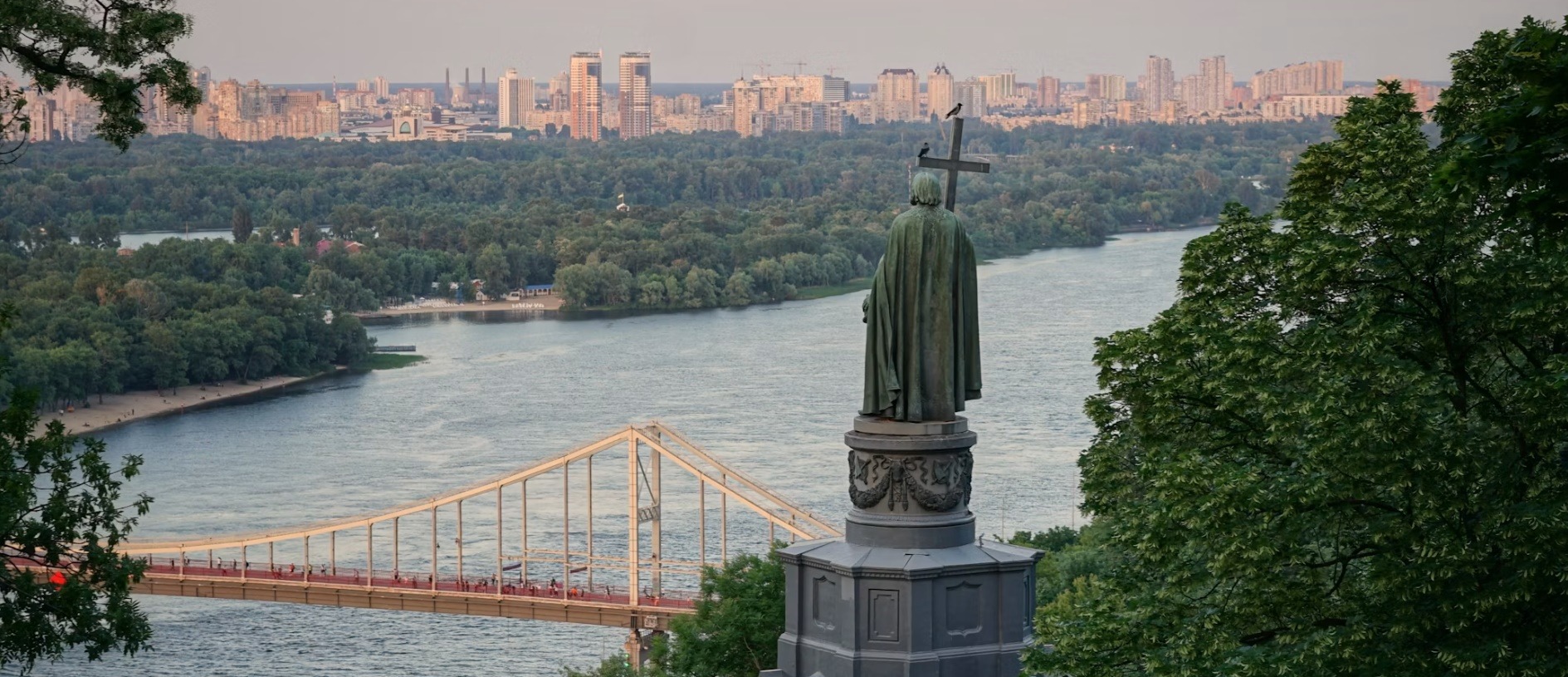
UKRAINE
Welcome to the 2028 Diaspora World Cup. Rockville – Aspen Hill
Rockville – Aspen Hill
Welcome to the 2028 Diaspora World Cup. Rockville – Aspen Hill
The Ukrainian diaspora in the DMV (District of Columbia, Maryland, and Virginia) region is a powerful, highly mobilized, and strategically vital community. While older waves of Ukrainian-Americans settled in industrial enclaves across Pennsylvania and New York, the DMV population is uniquely defined by international development specialists, policy advocates, fede...The Ukrainian diaspora in the DMV (District of Columbia, Maryland, and Virginia) region is a powerful, highly mobilized, and strategically vital community. While older waves of Ukrainian-Americans settled in industrial enclaves across Pennsylvania and New York, the DMV population...
More Information
Chelsea Official
Download The 5th Stand, Chelsea’s official mobile app, to see exclusive content, match action and all the latest news from Stamford Bridge.
More Information
Street Soccer in Ukraine
Street soccer is a popular recreational activity in Ukraine, where children and teenagers regularly play informal football matches in neighbourhood courtyards, school playgrounds, public parks, community sports courts, residential areas, and open spaces. These games provide young players with an enjoyable way to stay active, improve their football skills, and strengthen friendships through the sport.
The fast-paced and technical nature of street soccer encourages close ball control, quick passing, creative dribbling, and intelligent movement. Playing in compact spaces helps participants improve their technique, confidence, teamwork, and ability to make quick decisions while adapting to different playing surfaces and match situations.
Street soccer offers an accessible and affordable way for communities across Ukraine to enjoy football without requiring professional facilities. It promotes healthy lifestyles, strengthens local connections, and inspires many young players to continue their football journey through schools, local clubs, academies, futsal programmes, and organised competitions.
Street Soccer Culture in Ukraine
Football is one of the most popular sports in Ukraine, and street soccer is often where many children first develop their passion for the game. Informal matches organised by schools, friends, and neighbourhood communities create a welcoming environment where players of different ages and skill levels can participate while sharing their enthusiasm for football.
Skills Developed Through Street Soccer
Street soccer helps players improve dribbling, first touch, passing accuracy, shooting technique, agility, balance, ball control, tactical awareness, and spatial awareness. Regular games also strengthen communication, creativity, confidence, composure, and the ability to make quick decisions during high-tempo play.
Street Soccer and Community Development
Street soccer brings communities together through football while encouraging teamwork, positive youth participation, and active lifestyles. It also provides aspiring players with valuable experience before progressing to school teams, local football clubs, academies, futsal programmes, or organised youth football competitions.
The UKRAINE in the DMV
The Ukrainian diaspora in the DMV (District of Columbia, Maryland, and Virginia) region is a powerful, highly mobilized, and strategically vital community. While older waves of Ukrainian-Americans settled in industrial enclaves across Pennsylvania and New York, the DMV population is uniquely defined by international development specialists, policy advocates, federal employees, and defense contractors. Following the 2022 full-scale invasion of Ukraine, the local community underwent a massive transformation, absorbing thousands of newly displaced families while evolving into the global epicenter for grassroots wartime fundraising and Capitol Hill advocacy.
🏛️ The Global Center of Wartime Advocacy
Because of its proximity to the federal government, the DMV diaspora plays a direct role in maintaining transatlantic security alliances and coordinating civilian aid pipelines:
Capitol Hill Mobilization: Local organisations actively lead multi-level political lobbying campaigns. Diaspora members routinely orchestrate rapid-response rallies at the White House, brief the Congressional Ukrainian Caucus, and organize targeted constituent call-ins to secure defense appropriations.
United Help Ukraine (UHU): Headquartered in the DMV, United Help Ukraine is one of the most prominent non-profits in the country. They act as a massive logistical engine, training diaspora groups, hosting international defense delegations, and deploying hundreds of millions of dollars in medical supplies, front-line tactical gear, and humanitarian relief directly to Ukraine.
Diplomatic Synergy: The community operates in lockstep with the Embassy of Ukraine in Washington, D.C.. The embassy acts as a vital bridge, opening its historic premises for public civic programs like Passport DC to foster deep diplomatic solidarity with the broader Washington community.
Significance
Ukrainian immigration to the United States has generally reflected rural poverty, limited farmland, imperial rule, political persecution, war, Soviet occupation, refugee displacement, education, professional employment, family reunification, and humanitarian protection.
Ukrainian migration to the United States became significant during the late nineteenth and early twentieth centuries. Early arrivals included farmers, miners, factory workers, labourers, artisans, and families seeking land, higher wages, and political or religious freedom. Many came from Galicia, Bukovina, and other Ukrainian regions governed by Austria-Hungary or the Russian Empire, so immigration records often classified them under broader imperial identities. Ukrainian communities developed in Pennsylvania, New York, New Jersey, Ohio, Illinois, Michigan, and other industrial states. Immigrants established churches, newspapers, schools, mutual-aid societies, cultural organisations, and businesses while preserving the Ukrainian language, religious traditions, music, dance, food, and national identity.
Ukrainian Migration Before Independence
Before Ukraine became an independent country, migration was shaped by foreign rule, agricultural hardship, population growth, industrial change, military service, and political restrictions. The first major immigration wave occurred from the late nineteenth century until World War I, when many Ukrainians found employment in coal mines, steel mills, factories, railways, construction, and agriculture. Additional arrivals followed the Russian Revolution, the First World War, and the political division of Ukrainian territories between neighbouring states. Immigration declined after the United States introduced restrictive quota laws during the 1920s. Because an internationally recognised independent Ukrainian state did not exist for most of this period, migrants were commonly documented as Austrians, Russians, Poles, or Ruthenians rather than specifically as Ukrainians.
Late-Twentieth- and Early-Twenty-First-Century Immigration
Ukrainian immigration increased again after World War II, when refugees and displaced persons who opposed returning to Soviet-controlled Ukraine settled in the United States. These arrivals included former forced labourers, political refugees, professionals, intellectuals, religious figures, farmers, and families. Another migration wave followed the collapse of the Soviet Union and Ukraine’s independence in 1991, bringing students, scientists, engineers, healthcare workers, technology specialists, entrepreneurs, and relatives joining established communities. The United States recognised Ukraine and established diplomatic relations on December 25, 1991. Russia’s full-scale invasion in February 2022 created another major displacement crisis, and the United States introduced humanitarian pathways, including Uniting for Ukraine, for eligible displaced Ukrainians.
Lorem ipsum dolor sit amet, consectetur adipiscing elit, sed do eiusmod tempor incididunt ut
labore et dolore magna aliqua. Ut enim ad minim veniam, quis nostrud exercitation ullamco
laboris nisi ut aliquip ex ea commodo consequat. Duis aute irure dolor in
reprehenderit in voluptate velit esse cillum dolore eu fugiat nulla pariatur.
 Sign In







 Facebook
 X-Twitter
 Instagram
 Linkedin
 Youtube