The Diaspora World Cup operates in some of the major cities and metro areas in
United States and
Canada. Our network of register players includes 20 cities, 200 countries, 400
teams, and 10,000
players. Join our movement to solve the world's most pressing challenges:
Illiteracy
Who We are text will be here Who We are text will be here Who We are text will
be here Who We
are text will be here Who We are text will be here Who We are text will be here
Who We are text
will be here Who We are text will be here Who We are text will be here
What We Do text will be here What We Do text will be here What We Do text will
be here What We
Do text will be here What We Do text will be here What We Do text will be here
What We Do text
will be here What We Do text will be here What We Do text will be here What We
Do text will be
here What We Do text will be here What We Do text will be here
Get Involved text will be here Get Involved text will be here Get Involved text
will be here Get
Involved text will be here Get Involved text will be here Get Involved text will
be here Get
Involved text will be here Get Involved text will be here Get Involved text will
be here Get
Involved text will be here
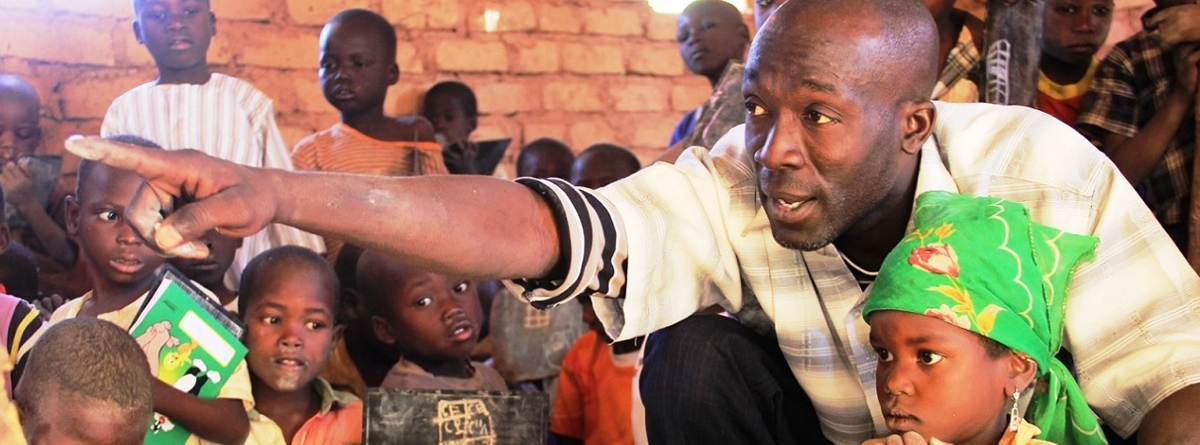
Education is a basic Human Right and the Diaspora World Cup global school
program focuses its
energy in some the poorest countries around the world. We build schools in some
of the poorest
countries around the worldthat historically had no adequate school structure.
Any member of the
World Diaspora has the power to end illiteracy around the world through the
power of soccer.
High-profile sport figures, global leaders, business leaders, political figure,
journalists,
activists, philanthropists, actors, and entrepreneurs united by their commitment
to the Diaspora
World Cup mission to eradicate illiteracy around the world through the power of
soccer. They serve
as role models and spread the Diaspora World Cup vision and commitment of a
world mobilized
through soccer.
Diaspora 2027: complete guide to all players | The Diaspora
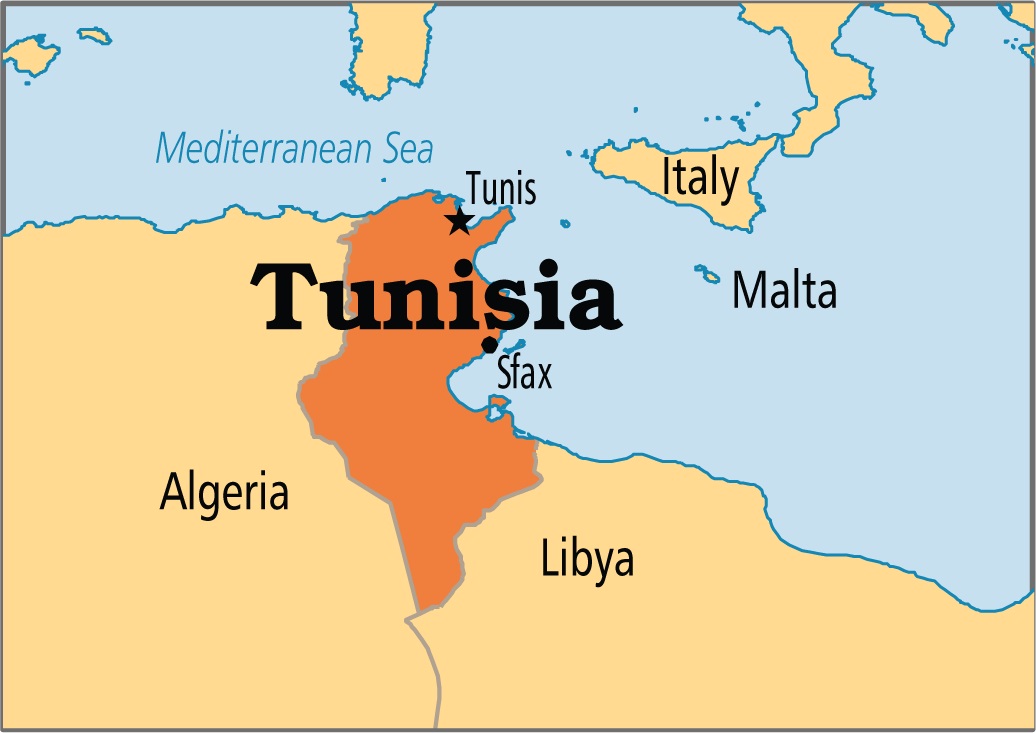
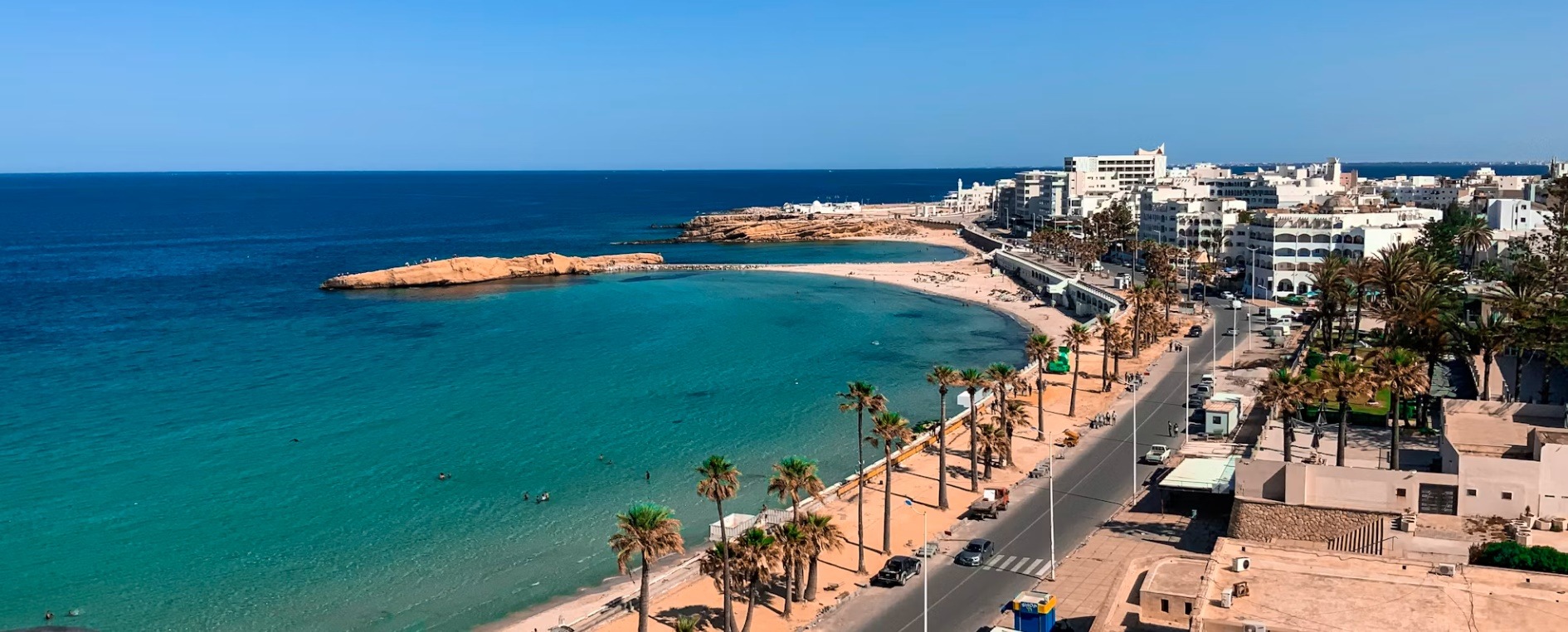
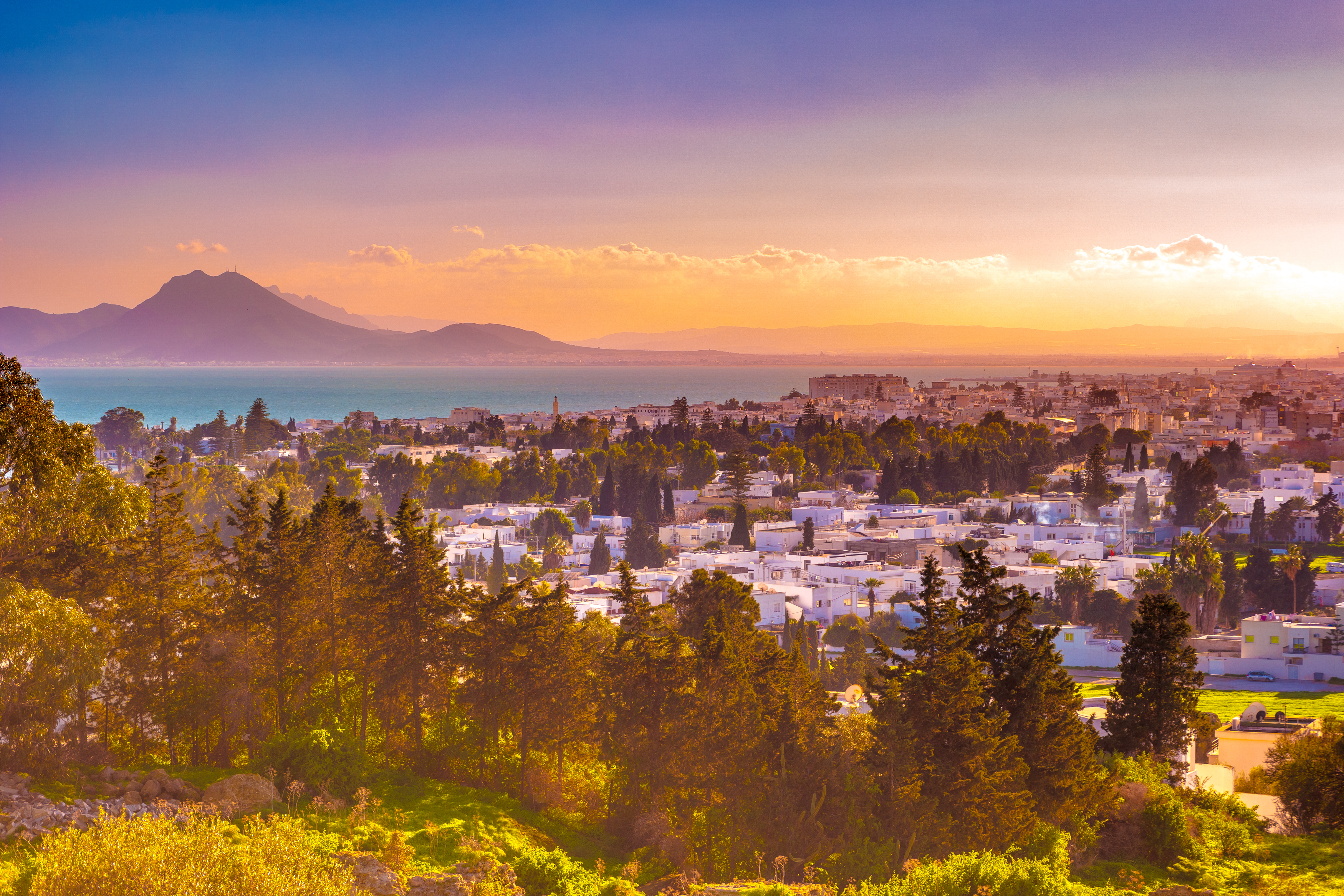
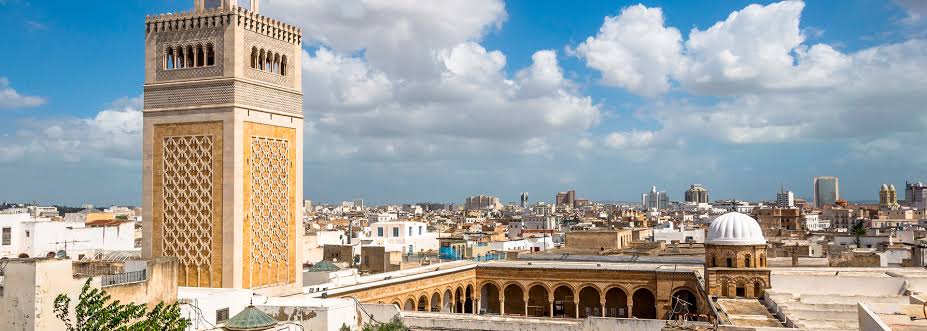
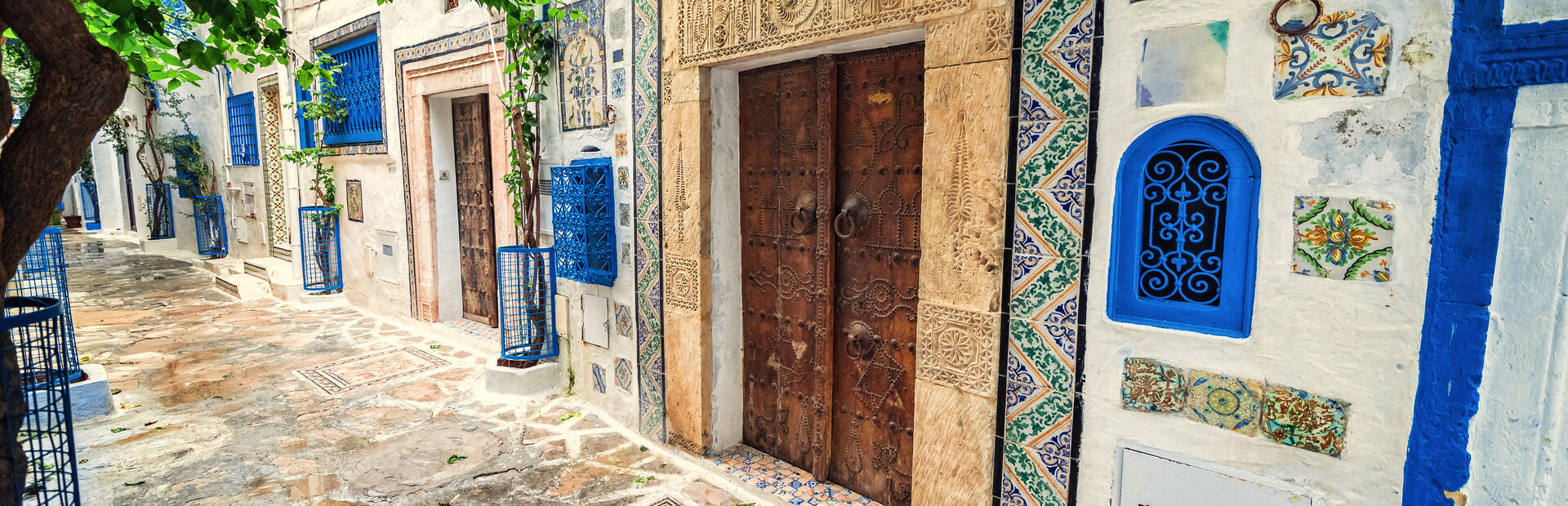
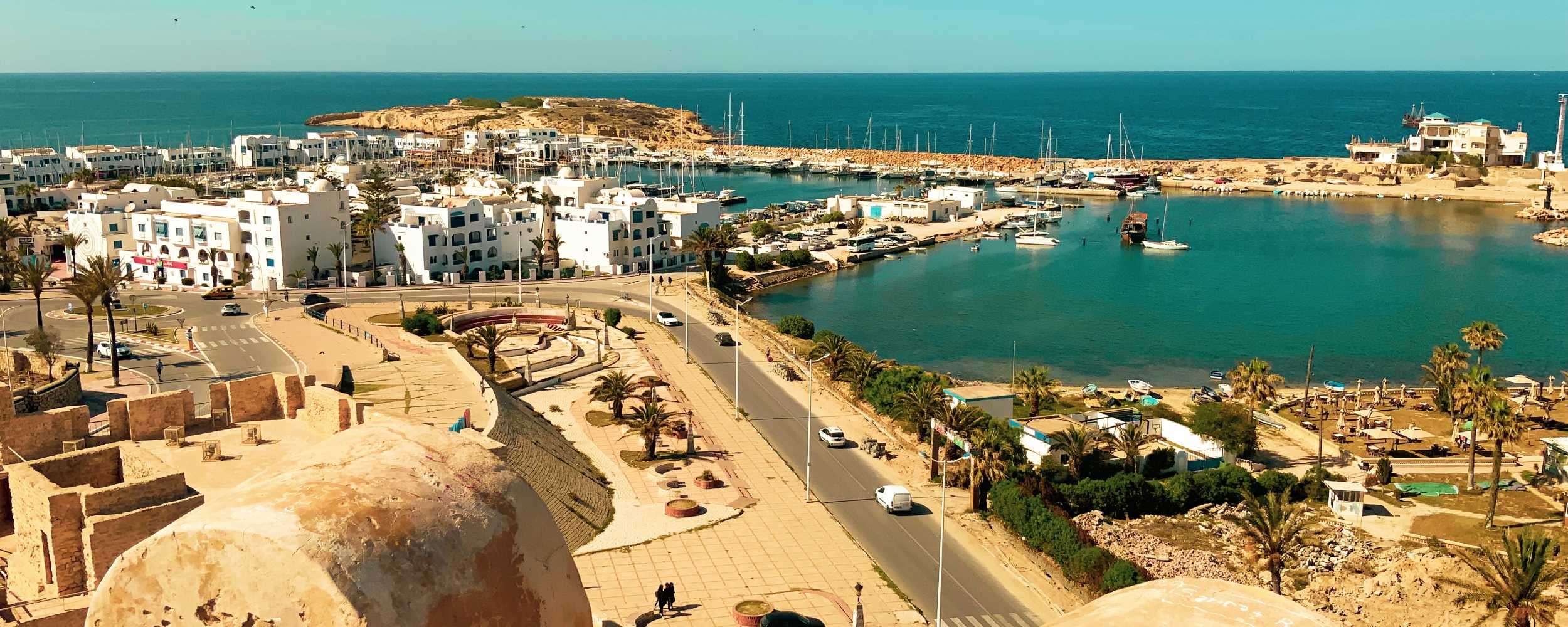
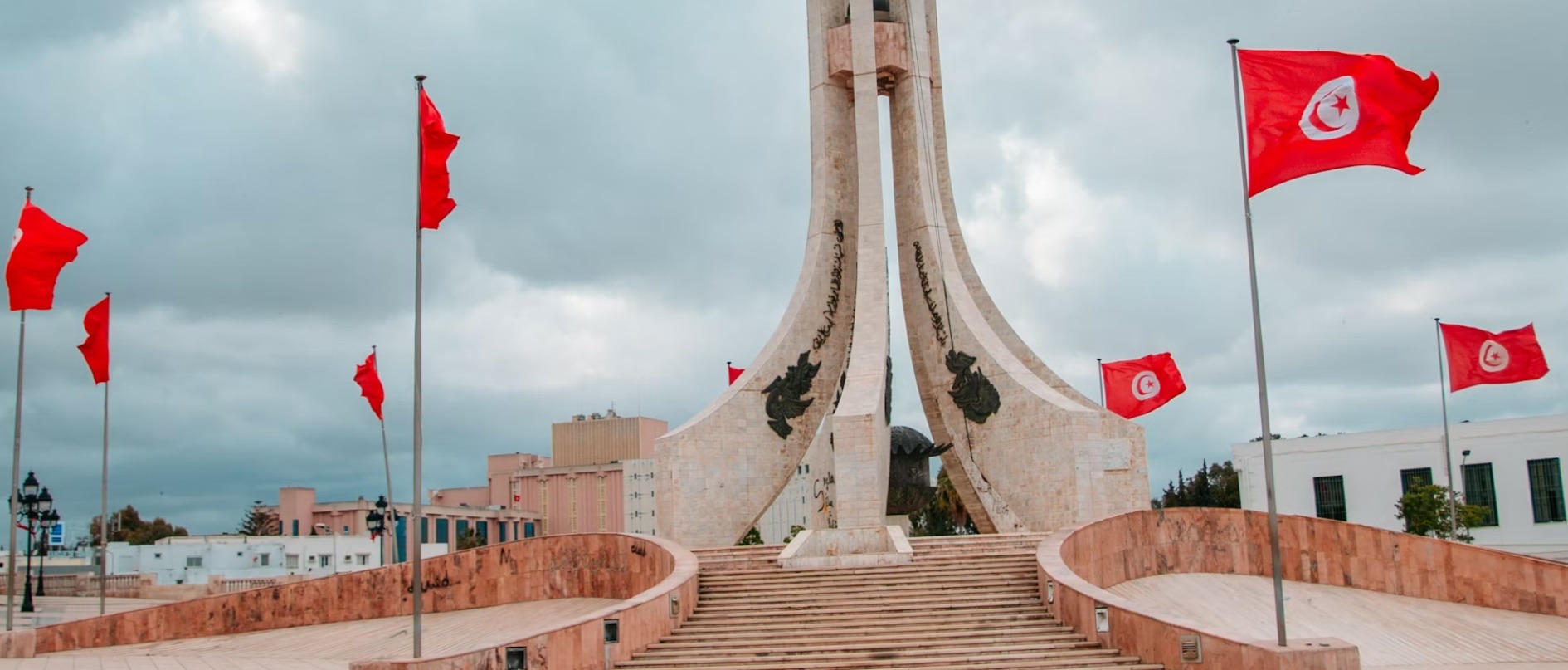
TUNISIA
Welcome to the 2028 Diaspora World Cup. Rockville – Aspen Hill
Rockville – Aspen Hill
Welcome to the 2028 Diaspora World Cup. Rockville – Aspen Hill
The Tunisian diaspora in the DMV (District of Columbia, Maryland, and Virginia) region is Embassy of Tunisia in Washington, D.C. Estimated at approximately 5,000 residents, the local population boasts a distinct demographic profile. Unlike the larger Tunisian communities in France or Germany that historically focused on manual labor, the DMV’s diaspora consis...The Tunisian diaspora in the DMV (District of Columbia, Maryland, and Virginia) region is Embassy of Tunisia in Washington, D.C. Estimated at approximately 5,000 residents, the local population boasts a distinct demographic profile. Unlike the larger Tunisian communities in Fra...
More Information
Chelsea Official
Download The 5th Stand, Chelsea’s official mobile app, to see exclusive content, match action and all the latest news from Stamford Bridge.
More Information
Street Soccer in Tunisia
Street soccer is a popular recreational activity in Tunisia, where children and teenagers regularly play informal football matches in neighbourhood streets, school playgrounds, community parks, public courts, village squares, and open spaces. These games provide young players with an enjoyable way to stay active, improve their football skills, and strengthen friendships through the sport.
The fast-paced and technical style of street soccer encourages close ball control, quick passing, creative dribbling, and intelligent movement. Playing in compact spaces helps participants sharpen their technique, build confidence, strengthen teamwork, and develop the ability to make quick decisions during competitive matches.
Street soccer offers an affordable and accessible way for communities across Tunisia to enjoy football without requiring professional facilities. It promotes healthy lifestyles, strengthens community relationships, and inspires many young players to continue their football journey through schools, local clubs, academies, and organised competitions.
Street Soccer Culture in Tunisia
Football is one of the most popular sports in Tunisia, and street soccer is often where many children first develop their passion for the game. Informal matches organised by schools, friends, and neighbourhood communities create a lively and welcoming environment where players of different ages and skill levels can participate while sharing their love for football.
Skills Developed Through Street Soccer
Street soccer helps players improve dribbling, first touch, passing accuracy, shooting technique, agility, balance, ball control, tactical awareness, and spatial awareness. Regular games also strengthen communication, creativity, confidence, composure, and the ability to make quick decisions under pressure.
Street Soccer and Community Development
Street soccer brings communities together through football while encouraging teamwork, positive youth participation, and active lifestyles. It also provides aspiring players with valuable experience before progressing to school teams, local football clubs, academies, futsal programmes, or organised youth football competitions.
The TUNISIA in the DMV Metro
The Tunisian diaspora in the DMV (District of Columbia, Maryland, and Virginia) region is Embassy of Tunisia in Washington, D.C. Estimated at approximately 5,000 residents, the local population boasts a distinct demographic profile. Unlike the larger Tunisian communities in France or Germany that historically focused on manual labor, the DMV’s diaspora consists heavily of multilateral economists, international development experts, data analysts, diplomatic liaisons, and tech professionals drawn to the institutional ecosystem of Washington, D.C.
🏛️ Diplomatic Foundations and Diaspora Diplomacy
Operating out of the political core of the nation's capital, the Tunisian diaspora utilizes its location to actively engage in foreign policy, mutual aid, and strategic partnerships:
The Embassy of the Republic of Tunisia: Located on Massachusetts Avenue NW (Embassy Row), the Embassy of Tunisia in Washington, D.C. functions as the administrative and cultural anchor for regional families. Led by diplomatic officials, the embassy regularly acts as a civic gathering place for national holiday receptions, democratic forums, and international cultural showcases like Passport DC.
Diaspora Lobbying & Rallies: DMV-based Tunisians are politically highly conscious and mobilized. Expats routinely exercise their "diaspora diplomacy" by hosting peaceful rallies and policy gatherings directly in front of the White House and near Capitol Hill, functioning as an external lobbying voice for economic reforms, democratic governance, and education funding back home.
The Center for Strategic Studies on Tunisia (CSST): Based in Washington, D.C., this specialized think tank—founded by international thought leaders—serves to mathematically strengthen U.S.–Tunisian diplomatic, technological, and security relations, drawing deeply from the expertise of local diaspora professionals.
🤝 Grassroots Scaffolding and Cultural Preservation
Because the community is younger and smaller compared to other Middle Eastern or North African enclaves in the region, Tunisian-Americans rely on a combination of newer non-profits and digital groups to maintain social tissue:
Shakshuka (SHAKSHUKAORG): Formed to answer a long-standing need for a centralized cultural focal point, Shakshuka operates across D.C., Maryland, and Virginia. The organization explicitly works to unite the 5,000-strong regional diaspora by providing community spaces that nurture and pass down traditional Tunisian music, North African Arabic dialects, and ancestral heritage to second-generation youth.
The Tunisian United Network (TUN) - DC Chapter: This active grassroots network acts as a crucial digital and physical community center. TUN organizes highly structured monthly meetups, local networking mixers, and targeted community advocacy initiatives to foster strong social connectivity among newly arrived Tunisian expats and established families.
The Tunisian American Association (TAA): Operating across the region, the Tunisian American Association is a non-profit dedicated to providing immediate structural scaffolding for new immigrants. The TAA coordinates social, legal, and educational integration assistance while running philanthropic donation drives to send critical medical equipment and small-business grants back to underserved regions in Tunisia.
Significance
Tunisian immigration to the United States has generally reflected colonial rule, labour migration, political and economic change, overseas education, professional employment, family reunification, and the Diversity Visa programme.
Tunisian migration to the United States remained modest compared with migration to France, Italy, Germany, and other European countries. Early arrivals mainly included diplomats, merchants, sailors, students, academics, artists, and professionals travelling for education, commerce, or specialised employment. Migration gradually increased after Tunisia gained independence from France in 1956. Later arrivals included doctors, engineers, scientists, technology workers, entrepreneurs, university students, and relatives joining established families. Tunisian immigrants have formed dispersed communities across several American metropolitan areas, supported by cultural associations, professional networks, restaurants, businesses, and student organisations. These communities preserve Tunisian Arabic, French, Islamic traditions, Mediterranean cuisine, music, national celebrations, and close family connections with Tunisia.
Tunisian Migration Before Independence
Before independence, Tunisia was governed by the Ottoman Empire and later became a French protectorate under the Treaty of Bardo in 1881. Migration was shaped by Mediterranean commerce, agriculture, military service, colonial administration, education, and seasonal employment. Tunisians travelled mainly to Algeria, Libya, France, Italy, and other nearby destinations as merchants, sailors, agricultural workers, artisans, students, and labourers. Direct settlement in the United States remained uncommon because Tunisia’s strongest political and economic connections were with France and neighbouring North African countries. Nevertheless, relations with the United States had begun much earlier: the two countries concluded an agreement of friendship and trade in 1799, and an American consulate was established in Tunis in 1800.
Late-Twentieth- and Early-Twenty-First-Century Immigration
The United States recognised Tunisia’s independence on March 22, 1956, shortly after the end of French colonial rule. During the following decades, most Tunisian emigration was directed toward Western Europe, where labour demand, geographic proximity, French-language connections, and established family networks created accessible opportunities. Migration to the United States expanded more gradually through university education, professional employment, family sponsorship, business activity, asylum, and the Diversity Visa programme. Economic difficulties, unemployment, political change, and the search for advanced education also encouraged some Tunisians to move abroad. After Tunisia’s 2011 revolution, international mobility continued among students, skilled workers, academics, entrepreneurs, and families. Tunisian-American organisations help newcomers build professional and social connections while maintaining cultural traditions and relationships with communities in Tunisia.
Lorem ipsum dolor sit amet, consectetur adipiscing elit, sed do eiusmod tempor incididunt ut
labore et dolore magna aliqua. Ut enim ad minim veniam, quis nostrud exercitation ullamco
laboris nisi ut aliquip ex ea commodo consequat. Duis aute irure dolor in
reprehenderit in voluptate velit esse cillum dolore eu fugiat nulla pariatur.
 Sign In







 Facebook
 X-Twitter
 Instagram
 Linkedin
 Youtube