Sign In












 Facebook
 X-Twitter
 Instagram
 Linkedin
 Youtube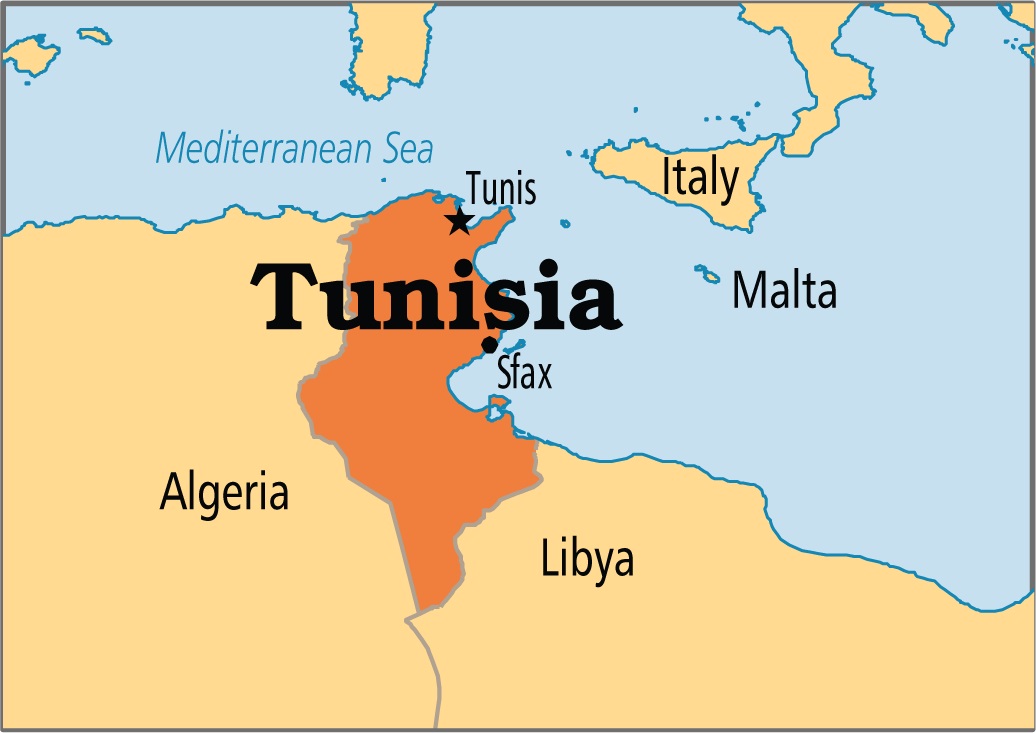

Significance
Tunisian immigration to the United States has generally reflected colonial rule, labour migration, political and economic change, overseas education, professional employment, family reunification, and the Diversity Visa programme.
Tunisian migration to the United States remained modest compared with migration to France, Italy, Germany, and other European countries. Early arrivals mainly included diplomats, merchants, sailors, students, academics, artists, and professionals travelling for education, commerce, or specialised employment. Migration gradually increased after Tunisia gained independence from France in 1956. Later arrivals included doctors, engineers, scientists, technology workers, entrepreneurs, university students, and relatives joining established families. Tunisian immigrants have formed dispersed communities across several American metropolitan areas, supported by cultural associations, professional networks, restaurants, businesses, and student organisations. These communities preserve Tunisian Arabic, French, Islamic traditions, Mediterranean cuisine, music, national celebrations, and close family connections with Tunisia.
Tunisian Migration Before Independence
Before independence, Tunisia was governed by the Ottoman Empire and later became a French protectorate under the Treaty of Bardo in 1881. Migration was shaped by Mediterranean commerce, agriculture, military service, colonial administration, education, and seasonal employment. Tunisians travelled mainly to Algeria, Libya, France, Italy, and other nearby destinations as merchants, sailors, agricultural workers, artisans, students, and labourers. Direct settlement in the United States remained uncommon because Tunisia’s strongest political and economic connections were with France and neighbouring North African countries. Nevertheless, relations with the United States had begun much earlier: the two countries concluded an agreement of friendship and trade in 1799, and an American consulate was established in Tunis in 1800.
Late-Twentieth- and Early-Twenty-First-Century Immigration
The United States recognised Tunisia’s independence on March 22, 1956, shortly after the end of French colonial rule. During the following decades, most Tunisian emigration was directed toward Western Europe, where labour demand, geographic proximity, French-language connections, and established family networks created accessible opportunities. Migration to the United States expanded more gradually through university education, professional employment, family sponsorship, business activity, asylum, and the Diversity Visa programme. Economic difficulties, unemployment, political change, and the search for advanced education also encouraged some Tunisians to move abroad. After Tunisia’s 2011 revolution, international mobility continued among students, skilled workers, academics, entrepreneurs, and families. Tunisian-American organisations help newcomers build professional and social connections while maintaining cultural traditions and relationships with communities in Tunisia.